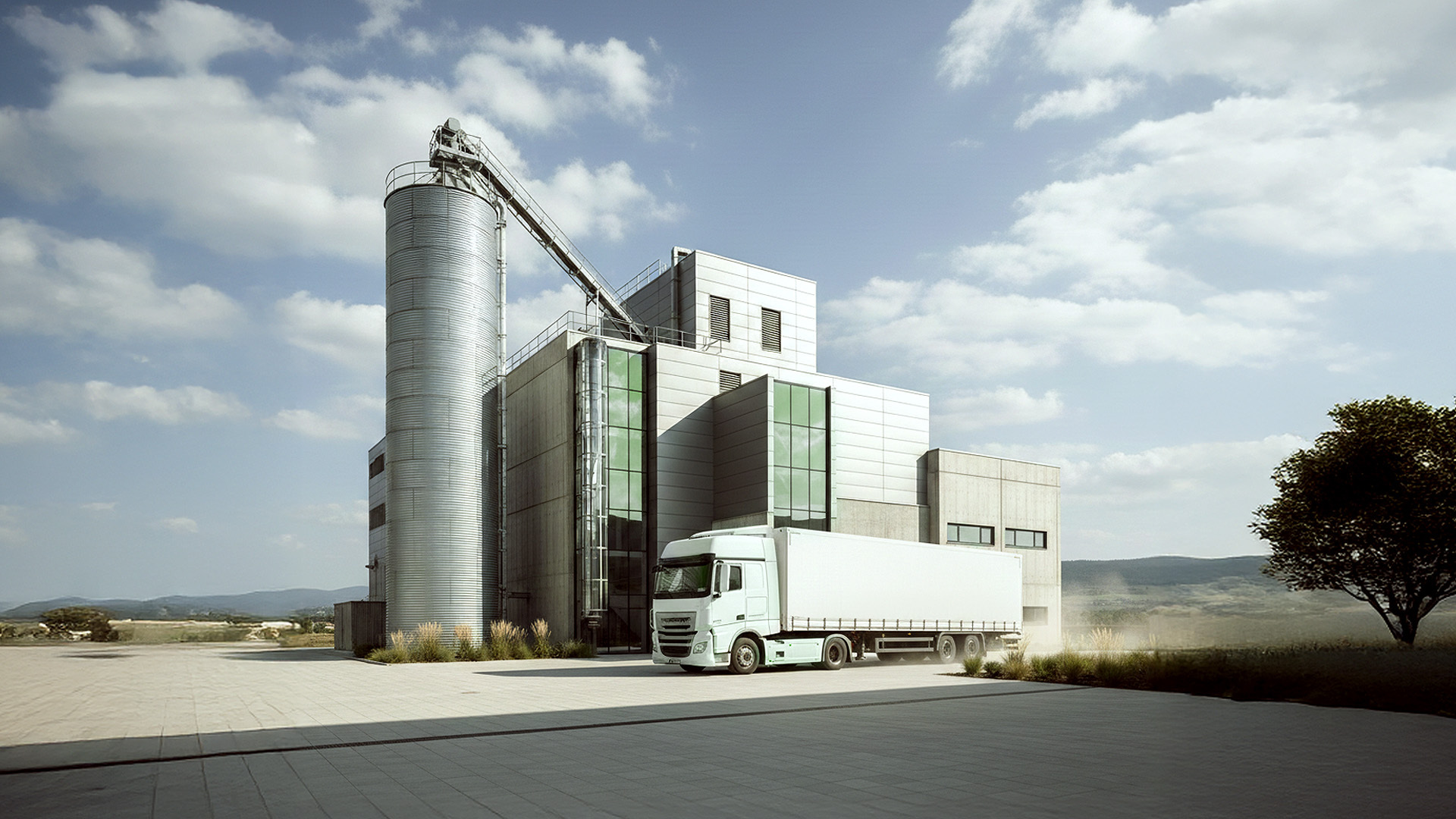
For mid-sized and large flour mills, logistics is often the most complex part of the business. Managing raw material movement, inter-plant transfers, distributor deliveries, and last-mile routes-often across multiple regions-can quickly become inefficient without the right systems in place.
This is where a Transport Management System (TMS) plays a critical role.
1. Better control across first, mid & last mile
Without a TMS:
Flour mills manage wheat procurement, mill-to-warehouse transfers, and distributor deliveries across separate systems, spreadsheets, and teams, making end-to-end visibility limited and reactive.
With a TMS:
All legs of movement, first-mile, mid-mile, and last-mile are brought into a single platform, giving teams complete visibility and centralized control across logistics operations.
2. Faster, more reliable deliveries
Without a TMS:
Dispatch and tracking are largely manual, making it difficult to anticipate delays or keep distributors and institutional buyers informed in real time.
With a TMS:
Automated dispatch, real-time tracking, and proactive alerts help operations teams reduce delays and improve delivery reliability.
3. Lower fuel & transportation costs
Without a TMS:
Route planning is often manual, leading to longer routes, underutilized vehicles, empty runs, and higher fuel and transportation costs.
With a TMS:
Route optimization helps plan the most efficient paths, reduce empty runs, and improve vehicle utilization, directly impacting margins.
4. Improved fleet & driver productivity
Without a TMS:
Tracking vehicle movement, driver performance, and turnaround times is difficult, especially when managing a mix of owned fleets and transport partners.
With a TMS:
Vehicle movement, driver performance, and turnaround times are tracked in one place, helping increase trips per vehicle and improve accountability across teams.
5. Data-driven decision making
Without a TMS:
As operations scale, decisions around routes, costs, and capacity rely heavily on manual reports or experience-driven judgement.
With a TMS:
Reports and analytics on delivery costs, route performance, fleet utilization, and SLA adherence help leadership make informed decisions and plan capacity better.
The bottom line
For flour mill companies looking to scale efficiently, a TMS is no longer a “nice-to-have.” It’s a foundational system that helps reduce costs, improve service levels, and bring predictability to logistics operations.
Fynd TMS helps flour mill companies manage first-mile to last-mile logistics on a single platform, bringing visibility, control and cost efficiency to every delivery.