April 19, 2026
A ₹24,000 coffee bill is how abCoffee started
Abhijeet Anand had drunk about ten cups of coffee in his life before 2019. Four years later he was selling a ₹97 cappuccino out of a 54 square foot shop and arguing that India’s coffee problem was never the bean.
Abhijeet moved to Romania in 2019, brewed Assam tea for his colleagues, and got converted to coffee in return. He came back to India in 2021 after about nine years in oil and gas, and in his first month here spent roughly ₹24,000 drinking coffee twice a day. That number annoyed the procurement man in him enough to go looking for an answer.
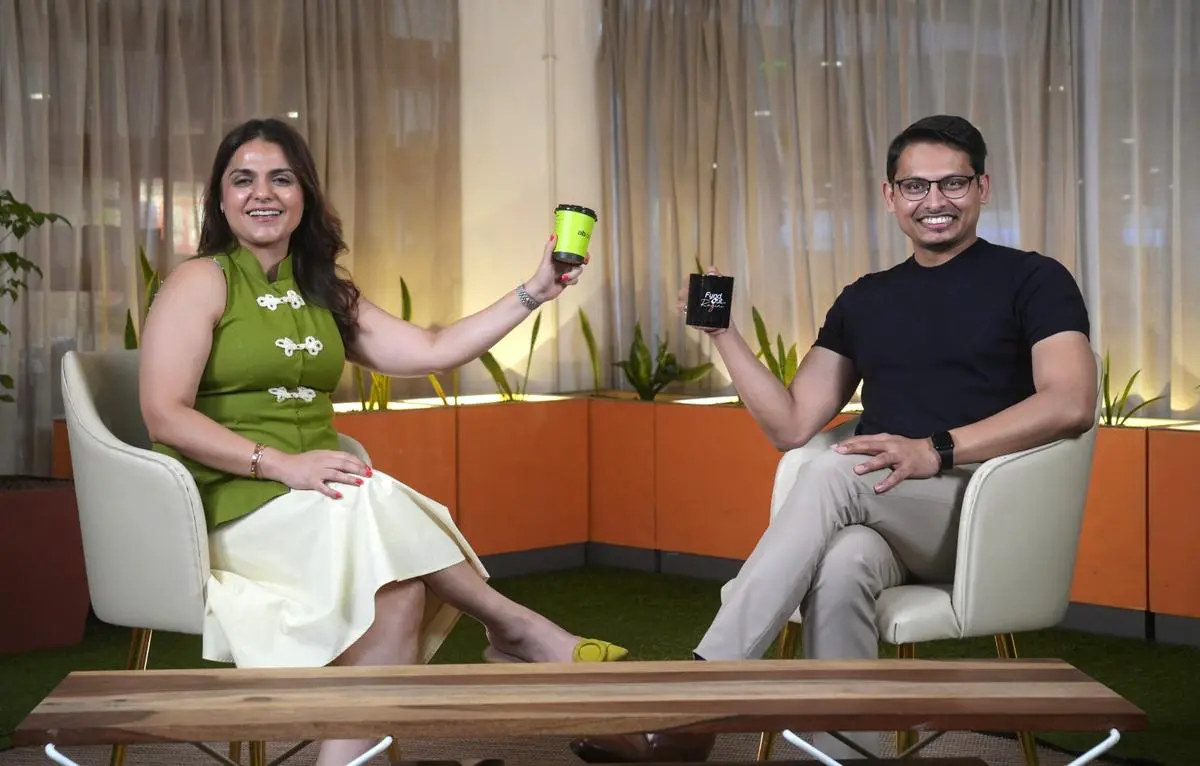
He spoke to Ragini about what he found, the day every system broke, and why scaling coffee looks more like aviation than hospitality.
The ₹24,000 question
I compared what I was spending here against what I had spent in Romania, and the question that came to me was why a cup of coffee in India was priced the same as one in Europe. On average a cappuccino here was around ₹240. By purchasing power it should have been closer to ₹95.
So I looked for the supply problem, and there isn’t one. We are the fifth largest producer and seventh largest exporter of coffee in the world, and we rank 59th in per capita consumption. There is no reason on earth a product like that should not match its PPP price here.
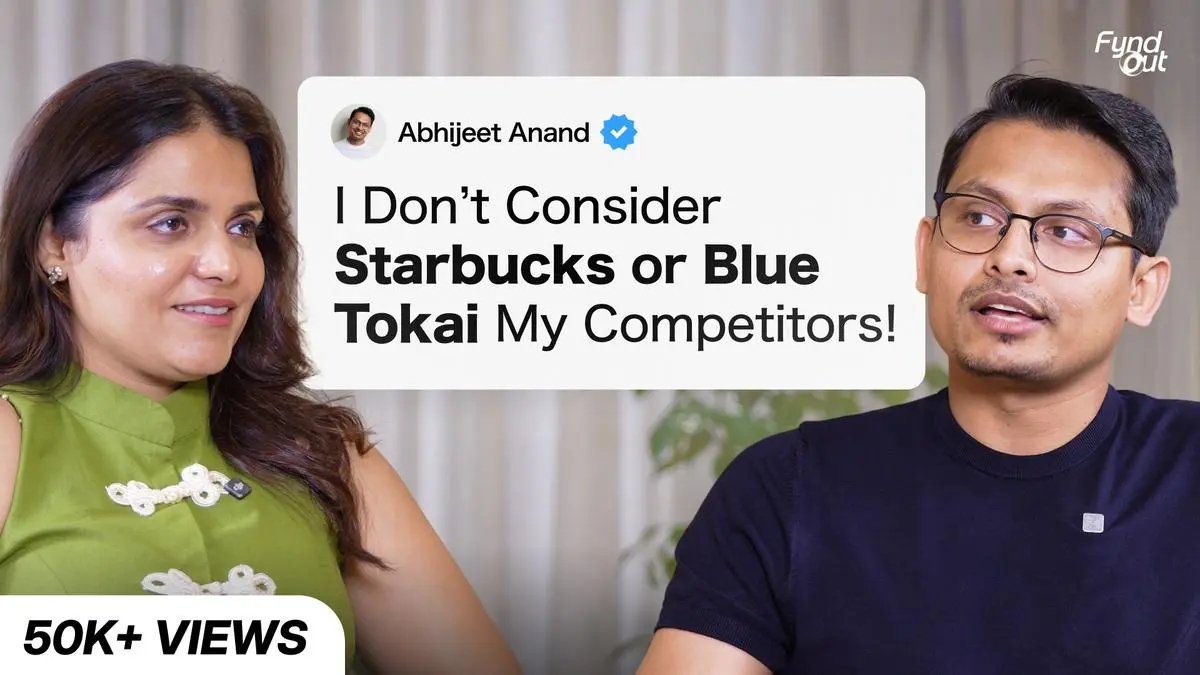
Coffee was being sold as a space, not a product
Coffee here was not positioned as a daily habit. It was positioned as a luxury. It was not the coffee company, it was the by-the-way coffee company. A 2,000 square foot space with sixteen or twenty tables, and by the way you could order a coffee. Once you compete for that real estate your input costs are so high that the menu price has to be inflated to make the model work.
Then you get the chicken and egg problem. Not enough people drink coffee because it is expensive, and the price cannot come down because not enough people drink it.
What the first store was supposed to be
Before launching I travelled 20 cities and 12 states and spoke to thousands of people, because I needed to know this was a country problem and not an Abhijeet problem. I had a job then, so after 8pm I would sit in Mumbai cafes, watch who walked in, and read the bill numbers to work out what they were actually doing.
The MVP was simple. A 60 square foot high street location, a coffee machine, trained baristas, single origin and specialty coffee, ₹97 for a cappuccino, and tech from day one. Then I drove every street in Mumbai learning the real estate market myself. The space I found in Versova was 54 square feet. We opened on 2 June 2022.
Everything broke on day one
We had an ordering system where the order would land at the store. The webhook broke on the morning of the launch, and then the point of sale broke too. Forty or fifty people had come, I had two interns and two baristas, and no way to bill anyone. So we bought a memo book and wrote bills by hand. We still did about 140 to 150 cups that day. Today 54% of our orders come through the app.
Three things turn a product into a habit
One, it has to be a genuinely good product, consistently. Two, it has to be at a price you can pay without thinking about it. Three, it has to be widely available. The example I always use is chai. Forty people in a camp, nobody asks what you earn or where you come from, everyone gets the same cup. Quality is hygiene, not a differentiator. Staying consistent across a network is the hard part.
The subscription is harder to copy than the price
You can open next to me and sell a cappuccino for ₹87 against my ₹97. My subscriber is paying about ₹50, and they do not have to come to Marol for it. They can pick it up anywhere in the network.
About a quarter of our offline transactions are subscriptions now, and a subscriber averages around 17 coffees a month. We also do not ask for your phone number or push the app on your first visit, because the first visit is for you to try the product. That is anti-marketing to most of retail. I don’t want one coffee from you. I want a thousand.
Easy to open, hard to scale
Anyone can start a coffee shop for ten lakh rupees, which is why around 5,700 franchise requests are sitting with us. Scaling is a different problem: process, tech, supply chain, mindset. We do around three lakh cups a month across roughly 90 locations in three cities, every cup made fresh for a specific person.
It is like aviation. Everyone follows the checklist and the next person trusts the checklist the last person completed. One of the largest coffee chains in the country sent its leadership into one of our outlets, forgetting we have cameras. They were picking up our tables and chairs and opening the screws to work out what they cost.
Neon green came out of the data
When I started I spent almost no time on brand. Two and a half years in we needed a serious rethink, because for a business like ours the cup is the biggest brand asset. The survey told us 54% of our customers are under 25 and 52% are women. That is who the identity had to work for, and it had to stay relevant for at least a decade. No F&B brand here had used neon green before. Now ask anyone in Mumbai what green stands for in coffee.
The company should outlast me
We are not building this to sell. It is a cash generative business, and built right it can go on forever. What I want to see in my lifetime is a barista becoming the CEO of this company. Someone whose first job was behind the counter, running the whole thing. That would be the proud moment.
Listen to the full conversation with Abhijeet Anand on FyndOutWithRagini.