April 9, 2026
Top TMS solutions alternatives for logistics & delivery optimization in 2026
Explore the best FarEye alternatives for modern brands. Compare delivery orchestration platforms and more to find the right fit for scalable logistics.
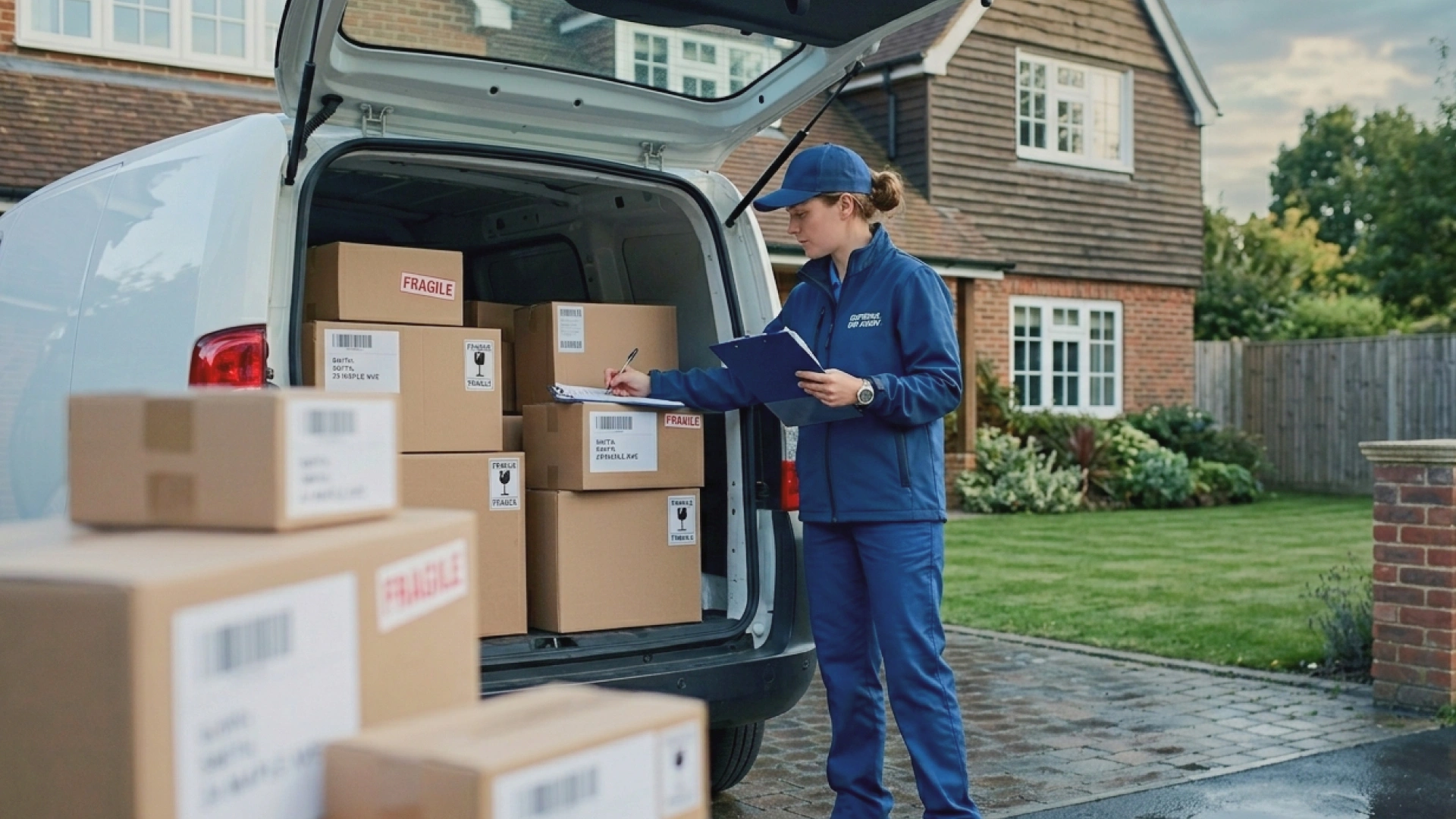
April 9, 2026
Explore the best FarEye alternatives for modern brands. Compare delivery orchestration platforms and more to find the right fit for scalable logistics.
Let's be honest. The last mile has always been logistics' toughest challenge, the most expensive, chaotic, and complaint-filled part of the supply chain. For years, brands just accepted it because no one had a real fix.
Then platforms like FarEye entered the picture. Strong reputation, big clients, real results, especially for courier companies managing large fleets. But here's what nobody tells you before you sign the contract: a platform built for courier scale doesn't always think at D2C speed. Fast-growing brands, omnichannel retailers, and quick-commerce operators have started to feel that ceiling in slow feature updates, inconsistent support, and workflows that don't bend to how they actually operate.
Spend an hour reading reviews on G2, Capterra, and Gartner Peer Insights and a clear picture emerges. FarEye works until your business starts demanding more from it. But for a brand that's scaling fast and needs a platform that moves at the same speed, they add up.
If you are looking for alternatives, here is an honest look at what is available and more importantly, what solves the right problems.
Before exploring options, be clear on what you are evaluating. Delivery orchestration has grown considerably and choosing a platform just for route optimization is like picking a phone for its alarm clock. There’s much more to consider.
Here’s what matters in 2026:
With these factors in mind, let’s see what the market offers.
Fynd, Locus, Bringg, DispatchTrack, Onfleet, LogiNext Mile and Shipsy are the most talked-about alternatives to FarEye right now.
But ask yourself: what if your delivery feels disconnected because the tool managing it does not know what happened before dispatch? It does not know which channel the order came from, which warehouse holds the stock, or what the customer’s previous delivery experience was like. It simply dispatches.
That is the gap most platforms fail to bridge.
Fynd stands apart because it begins where the order starts, at the storefront, not at dispatch. When a customer places an order on your website, Flipkart, or in your physical store, Fynd already knows what was sold, where the stock is located, and the fastest way to move it. The OMS confirms the order, the WMS locates the inventory, and the TMS dispatches it - all seamlessly connected and fully automated, with no manual handoffs. This isn’t just a feature. It’s a fundamentally new way of thinking about delivery.
Fynd is not built as a standalone delivery tool. It’s part of a unified commerce platform where order management, inventory and logistics work together.
That changes how delivery decisions are made.
Instead of acting on a dispatch request in isolation, the system already has context, what the order is, where the inventory sits and how it needs to move. So routing, assignment and execution are not reactive, they are informed.
Automated dispatch and allocation: Orders are automatically assigned to the right carrier or rider based on predefined rules. With support for both 3PL partners and fleet operations, dispatch decisions are made without constant manual intervention.
AI-powered route optimization: Routes are planned using AI with real-time traffic inputs and can adjust dynamically during transit to avoid delays and improve delivery efficiency.
Structured driver workflows: Each trip is broken into clear tasks like pickup, drop-off, installation, or payment. Drivers operate through a dedicated app with scanning and proof-of-delivery options like OTP, images or signatures.
Real-time customer tracking: Customers get a branded tracking experience with live rider location, accurate ETAs and relevant delivery updates, turning tracking into part of the overall customer experience.
AI-based address resolution: Messy or incomplete addresses are converted into precise coordinates before dispatch. This reduces rider confusion, eliminates back-and-forth calls and improves first-attempt delivery success.
Polygon-based zone mapping and smart assignment: Delivery zones are defined with precision using polygon mapping. Orders are automatically assigned to the optimal store or fulfillment point based on location, capacity and proximity.
Integrated, not isolated: Fynd TMS connects directly with OMS, WMS, storefronts and other systems in the stack. Orders flow from placement to dispatch without relying on fragmented integrations, and carrier allocation is handled through rule-based automation.
The reason is clear. McKinsey research shows 76% of shoppers prefer retailers with personalized delivery options. Same-day delivery demand has grown over 160% in recent years. Delivery, once a back-office task, is now a key factor in customer experience and repeat sales.
The platforms that will serve growing businesses best are those where delivery intelligence is part of the whole operation, not a separate system ignored until problems arise.
If your delivery system feels disconnected, it’s time to rethink your foundation.
~t.compress(q:75)~t.toFormat(f:webp)/cms_uploads/Livspace-x-Fynd-AI-PIM-Blog.png)
How the Fynd AI solution and a custom shoot planning module are helping the home decor brand manages multiple SKUs across its website and marketplaces.
~t.compress(q:75)~t.toFormat(f:webp)/cms_uploads/virtual-makeup-try-on-cover-v4-full-product-details-4k.jpg)
Virtual makeup try-on helps shoppers compare shades and finishes before buying, making online choices easier.
~t.compress(q:75)~t.toFormat(f:webp)/cms_uploads/Mokobara.jpg)
How Mokobara locks feature priority, copy sign-off, and brand style before scaling Amazon listing images and A+ content and what any D2C brand can borrow from it.
Fill out the form
Share your contact information to get started
Speak to an expert
A member of our sales team will get in touch with you