Just a few years ago, omnichannel retail used to be a fairly straightforward idea. A brand had a store, a website, maybe an app, and the job was to make sure customers could shop across all of them. However, that definition no longer holds.
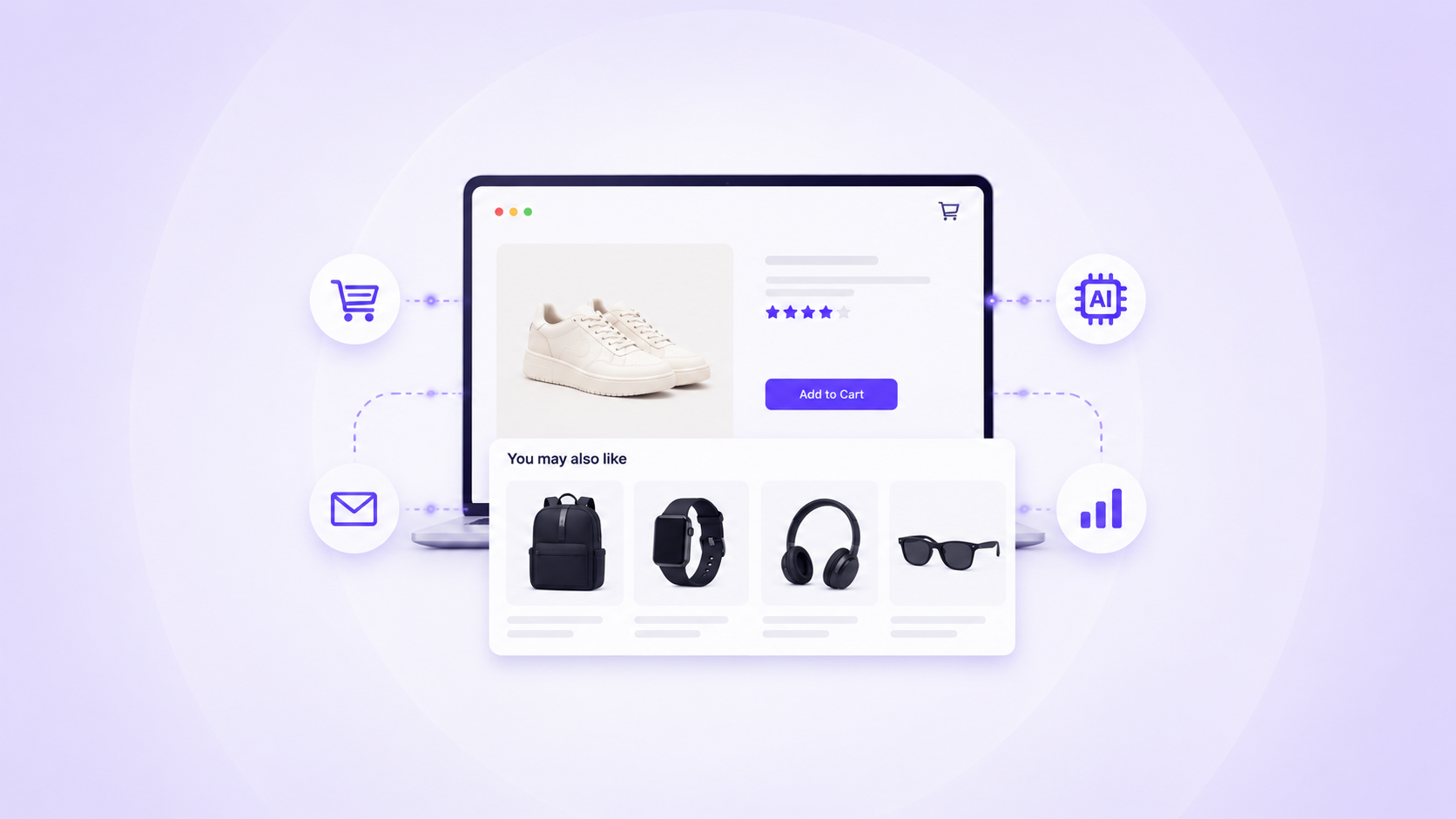
Today, omnichannel means showing up consistently across physical stores, e-commerce, social media, mobile apps, marketplaces, retail media networks, AI-powered search, and whatever new platform customers adopt next. The number of touchpoints has grown, but so have customer expectations. People no longer think about “channels” in the way brands do. They simply expect the experience to continue smoothly, whether they are browsing on Instagram, checking stock online, visiting a store, or completing a purchase on their phone.
For retailers, that creates both an opportunity and a problem.
The opportunity is clear. Brands with strong omnichannel strategies retain 89% of their customers, compared with just 33% for brands with weak omnichannel engagement. That is not a marginal improvement. It is the difference between building a loyal customer base and constantly paying to replace the customers who quietly leave.
That gap shows up most clearly in five areas.
1. Your customer data lives in too many places
A typical customer journey no longer follows a neat path.
Someone might first see a product on Instagram, search for it on Google later that evening, visit a store over the weekend to try it in person, and then finally buy it through the brand’s mobile site a few days later. From the customer’s point of view, this is one continuous decision. From the retailer’s point of view, it often becomes four separate data points sitting in four different systems.
That disconnect is where many omnichannel problems begin.
This is why unified data has become such a central requirement for omnichannel retail. It is not just about collecting more information. It is about connecting the information a brand already has, so that every team and every system is working from the same source of truth.
Fynd’s StoreOS addresses this directly by helping brands like Ruosh and Spykar sync inventory and customer data across online and offline channels in real time. When a product sells in-store, online stock updates instantly. When a customer browses online, the in-store team can have that context too. In theory, this should already be standard practice. In reality, 61% of retailers still have not solved it.
2. Brand consistency is harder than it looks
On paper, brand consistency sounds simple. A brand should look, sound, and feel the same wherever a customer encounters it.
In practice, that is much harder to maintain.
The email team may write in one tone. The social team may use another. In-store signage may have been briefed months ago and never updated. App notifications may sound different again, especially if they are handled by an external tool or agency. None of these touchpoints may feel completely wrong on their own. But together, they create a subtle sense that the brand changes depending on where the customer finds it.
Customers may not always be able to explain that feeling, but they do notice it. What it creates is a quiet lack of confidence
Fynd’s omnichannel guide makes this point clearly: consistent branding requires systems, not just guidelines. All the channels a brand operates have to be designed into the way the organisation works.
But even when the experience feels consistent, retailers still face another difficult question: how do they know which parts of that experience are actually working?
3. Knowing what’s actually working is getting harder
Last-click attribution is especially risky in this environment. It tends to reward the channel closest to the final purchase, even when other touchpoints did much of the work earlier in the journey. A customer may discover a product through social, research it through search, compare it in-store, and then click an email before buying. If the email gets all the credit, the brand may end up over-investing in the wrong place and cutting spend from channels that are genuinely driving demand.
The better approach is not to chase a perfectly clean attribution model. Factors such as repeat purchase rates, changes in foot traffic after digital campaigns, cross-channel browsing behaviour, and BOPIS performance can all reveal more than a single last-click report. BOPIS, or Buy Online, Pick Up In-Store, is especially useful because it shows the connection between digital intent and physical retail behaviour. Around 85% of BOPIS shoppers make an additional purchase when they come in to collect their order. Most attribution tools will not capture that full value, but it tells retailers something important: the online and offline experience is not separate. It is compounding.
That shift in thinking matters. Omnichannel measurement should not only ask, “Which channel gets the credit?” It should ask, “How are these channels helping each other move the customer forward?”
4. Personalisation sounds easy, delivering it is not.
Most retailers now understand what customers expect from personalisation.
They want recommendations that reflect what they have browsed. They want messages that acknowledge what they have already bought. They want interactions that continue from where they left off, rather than forcing them to start again every time they switch channels. Around 71% of customers say they expect this level of personalisation across every channel they use.
The expectation is clear. The difficulty is delivering it well.
Personalisation is often discussed as a marketing challenge, but in reality it is a data and infrastructure challenge first. If customer information is scattered across systems that do not communicate with each other, the experience will quickly become shallow, repetitive, or inaccurate. A brand might recommend an item the customer already bought, send a “come back” message after they purchased it yesterday, or promote products that have no connection to their actual preferences.
At that point, personalisation does not feel helpful. It feels careless.
This is why the strongest examples of personalisation usually have strong infrastructure underneath them. Brands like Diesel and Hugo Boss use Fynd Store to send curated product selections to individual customers based on their purchase history and in-store browsing behaviour. Red Chief used the same platform and grew in-store sales by up to 21%.
5. New channels keep coming. Bandwidth doesn’t.
Over the last few years, retailers have been expected to build a serious presence across TikTok Shop, Instagram Shops, retail media networks, connected TV, AI-powered search, and more. Each channel brings its own formats, audience behaviours, content requirements, and reporting logic.
The list keeps growing. Marketi
Brands feel pressure to be present wherever their customers are; TikTok Shop, Instagram Shops, retail media networks, connected TV, AI-powered search, and more, but spreading too thin often weakens the experience everywhere. A poor presence on six channels rarely does more for a brand than a strong, coherent presence on three. In omnichannel retail, being everywhere is not the same as being effective.
That distinction matters because customers do not think, “I am now in the email journey,” or “I am now in the store journey.” They simply expect the brand to remember what happened before and make the next step easy. When that does not happen, the break in continuity becomes obvious.
Fynd’s unified commerce platform is built around this problem. It helps smaller teams maintain consistency across channels without needing to increase headcount every time a new platform becomes important. The goal is not to be everywhere at once. It is to be joined up wherever the brand chooses to show up.
Conclusion
Retailers need unified data before they can personalise meaningfully. They need brand governance before they can scale content safely. They need better measurement signals before they can understand how channels influence each other. And they need the focus to build depth on the channels that matter most, rather than chasing every new platform before the existing experience is stable.
The retailers that make progress will be the ones that stop treating omnichannel as a collection of separate marketing activities and start treating it as one connected customer experience. When that happens, omnichannel stops being a source of operational stress and becomes something far more valuable: a clear competitive advantage.
~t.compress(q:75)/cms_uploads/Key-challenges-in-omnichannel-retail.webp)