July 24, 2026
How AI is changing the economics of enterprise software and what it means for engineering teams
How Fynd saved ₹13 crore a year by owning its tools instead of renting them. Here's the full story
Garima Poddar
~t.compress(q:75)/cms_uploads/ChatGPT-Image-Jul-24-2026-10_23_33-AM.webp)
July 24, 2026
How Fynd saved ₹13 crore a year by owning its tools instead of renting them. Here's the full story
Garima Poddar
For more than two decades, enterprise software has been built on a simple economic principle: buying software was almost always more efficient than building it.
The reasoning was straightforward. Developing internal tools required years of engineering effort, specialised expertise and ongoing maintenance. Enterprise software companies spread those costs across thousands of customers, making sophisticated capabilities available through a subscription. Whether it was observability, incident management, customer relationship management or workflow automation, buying software was the rational business decision.
That assumption is beginning to change.
Artificial intelligence has dramatically reduced the effort required to build, customise and maintain software. Engineering teams can now generate code, accelerate migrations, modernise legacy systems, debug complex integrations and automate repetitive development tasks far more efficiently than before. At the same time, open-source software has matured into a reliable foundation for many enterprise capabilities.
Together, these shifts are changing the build-versus-buy conversation.
The question is no longer whether enterprise software creates value. It clearly does. The more relevant question is whether every capability still needs to be rented indefinitely, or whether some of them have become practical to own.
We recently asked ourselves that question at Fynd.
Like many technology companies, our engineering teams depended on New Relic for application observability and PagerDuty for on-call management and incident response. These products played an important role in helping us monitor hundreds of services powering commerce, payments, inventory, fulfilment and customer experiences across our platform.
As our infrastructure evolved, we realised something important.
We were relying on a specific set of capabilities rather than the full breadth of either platform. At the same time, advances in AI and the maturity of the open-source observability ecosystem made building and operating those capabilities ourselves significantly more practical than it would have been only a few years ago.
That led us to rebuild our observability stack around technologies including Grafana, OpenTelemetry, Tempo and Grafana OnCall, while continuing to integrate with services such as Google Cloud Monitoring and Cloud Logging where they made sense.
The outcome was tangible.
We reduced recurring software costs by more than ₹13 crore annually, gained greater control over one of the most critical parts of our engineering platform and removed many of the commercial constraints that come with per-seat licensing.
More importantly, the experience reinforced a broader belief.
AI is not simply making engineers more productive. It is reshaping the economics of enterprise software itself. Capabilities that once made sense to rent because they were prohibitively expensive to build are becoming increasingly viable to own.
That does not mean every SaaS product should be replaced. Many continue to solve highly complex problems exceptionally well, and for many organisations they will remain the right choice.
However, it does mean that engineering leaders should revisit assumptions that have remained largely unchanged for years.
Every software renewal should begin with a simple question:
If we were making this decision today, with today's AI tools and today's open-source ecosystem, would we still buy this capability or would we build and own it ourselves?
For us, answering that question fundamentally changed the way we think about our engineering stack. The cost savings were significant. The strategic shift in ownership may prove even more valuable over time.
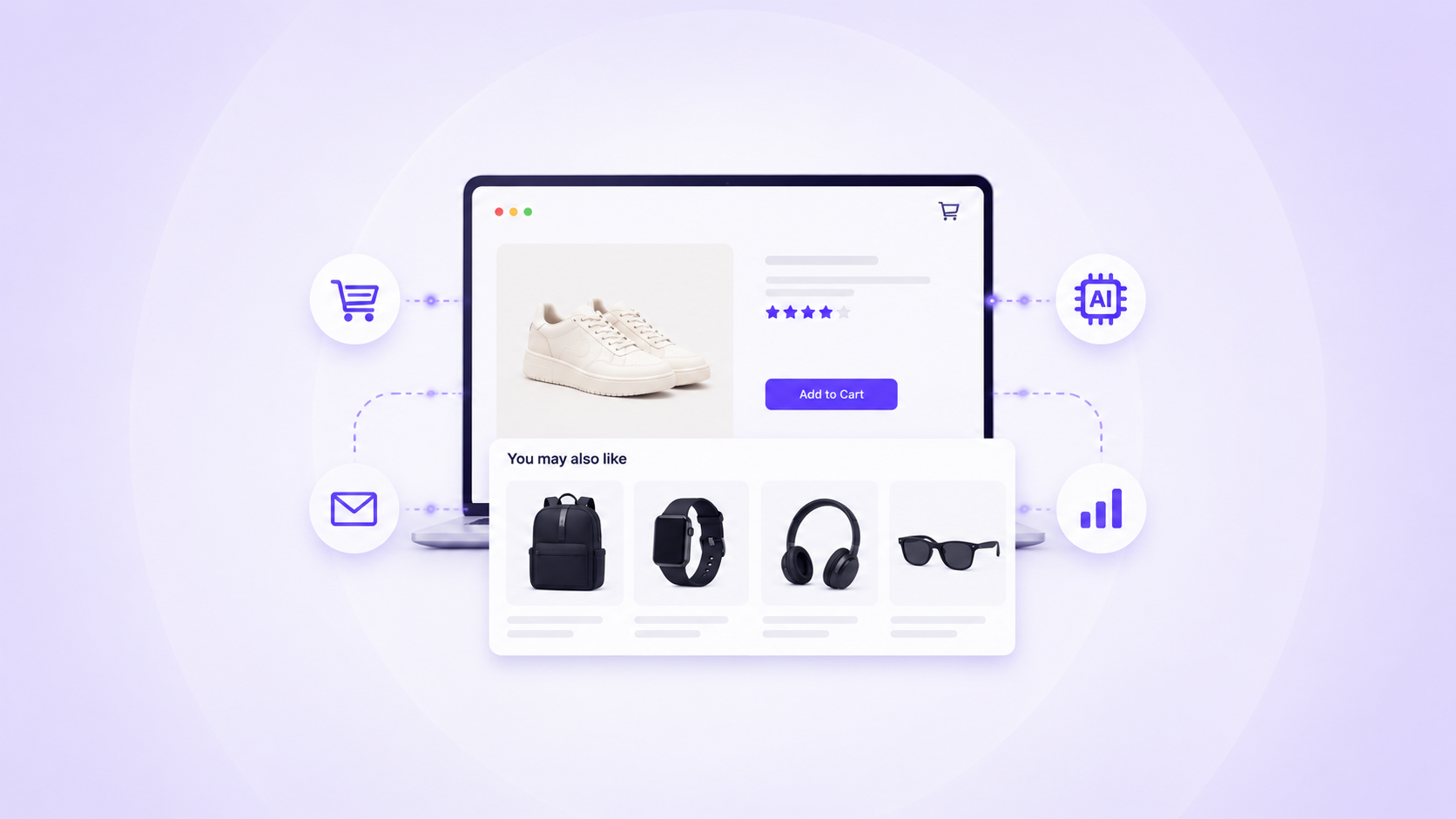
Looking for the best AI product recommendation software? Learn how to evaluate ecommerce recommendation platforms, compare essential features and choose the right solution for higher conversions and revenue.
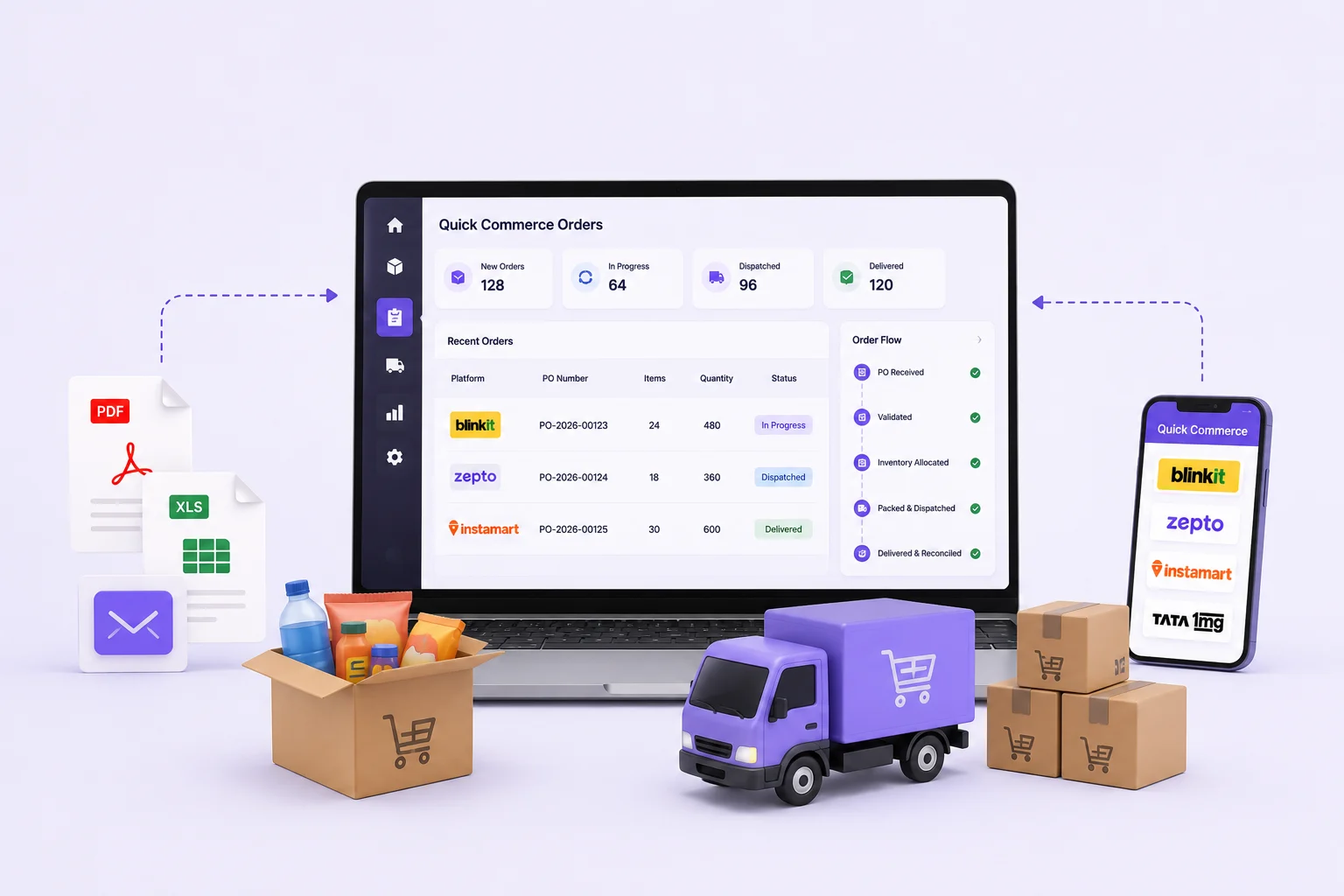
While marketplaces run on APIs, Quick commerce still runs on manual POs. See how Fynd automates Blinkit, Zepto and Instamart orders and fulfillment end to end.

How Fynd GlamAR's AI Skin Analysis engine integrates into Shopify or any existing storefront via API/SDK and how Suntech is delivering it as Glow Skin Scan.
Fill out the form
Share your contact information to get started
Speak to an expert
A member of our sales team will get in touch with you