January 8, 2026
Top commerce trends shaping 2026
Revealing the key commerce trends shaping 2026, from AI innovations to phygital loyalty. Learn how the future of shopping is evolving both online and offline.
Garima Poddar

January 8, 2026
Revealing the key commerce trends shaping 2026, from AI innovations to phygital loyalty. Learn how the future of shopping is evolving both online and offline.
Garima Poddar
People are becoming more value-conscious and selective about where they spend their money, investing more time on social platforms to find products and expecting personalized experiences rather than transactions.
These shifts aren't random, they are general economic prudence, technology acceleration and a greater need for relevance and purpose in shopping experiences.
Industry leaders see this clearly. In McKinsey & BoF’s State of Fashion 2026 report, CEOs see the year ahead "challenging" due to slower growth, cautious consumer spending and rapid shifts in how people shop. They also highlight that technology and consumer behavior are merging quicker than traditional retail models can adapt.
At Fynd, we have studied the latest data, predictions and preliminary trends influencing commerce in the upcoming year. What you’ll read below isn’t a list of generic trends. It's a structured view of how buying patterns, technology, and strategic actions will meet in 2026 to provide concrete outcomes for both businesses and customers alike.
Let’s break down the biggest retail trends 2026 with real examples, data and insights to help retailers map a course for the future.
In October 2025, BCG said the future of retail in a single line:
"A human may not be a retailer's most valuable customer."
Agentic Commerce Is Redefining Retail—Here’s How to Respond
AI agents such as ChatGPT, Perplexity, Gemini and brand-built assistants are now:
In July 2025, Adobe reported
4,700% YoY increase in AI-driven retail traffic
Ecommerce Trends
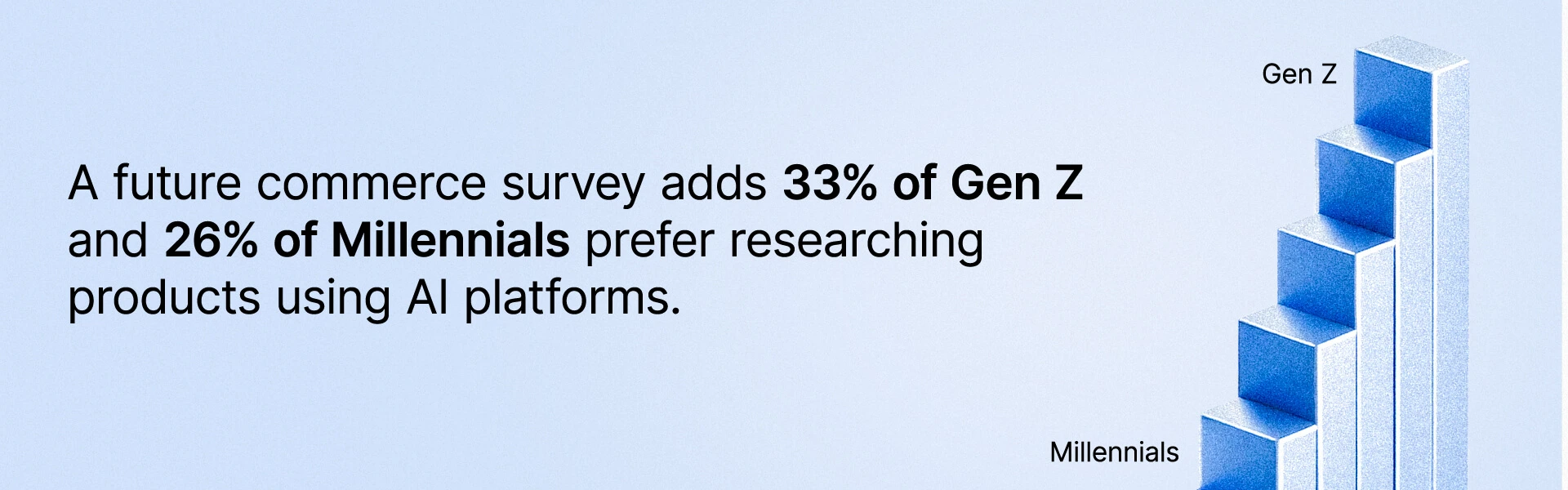
AI agents will shape what clients see before your website does.
If your data, inventory, policies and pricing are not agent-friendly, you will not appear on the recommendation engine.
SAP accurately identified this shift:
“2025 is the last year online shopping starts with a search bar, not a sentence."
2025 Is the Last Year Online Shopping Starts with a Search Bar, Not a Sentence
Customers can buy Walmart products using ChatGPT's instant checkout feature.
Doug McMillon, CEO of Walmart, stated:
“We are running towards a more enjoyable and convenient future”
Walmart Partners with OpenAI to Create AI-First Shopping Experiences
PayPal will use the new agentic commerce protocols to power payments within ChatGPT.
CEO Alex Chriss remarked:
“People go from chat to checkout in just a few taps.”
Techeconomy

Voice commerce is no longer experimental; it is now a standard feature for hands-free ordering and convenience purchases. According to Convergine, voice will be a major e-commerce trend in 2026, particularly for regular transactions and smart assistant platforms.
Top Ecommerce Trends in 2026 That Will Reshape Online Retail
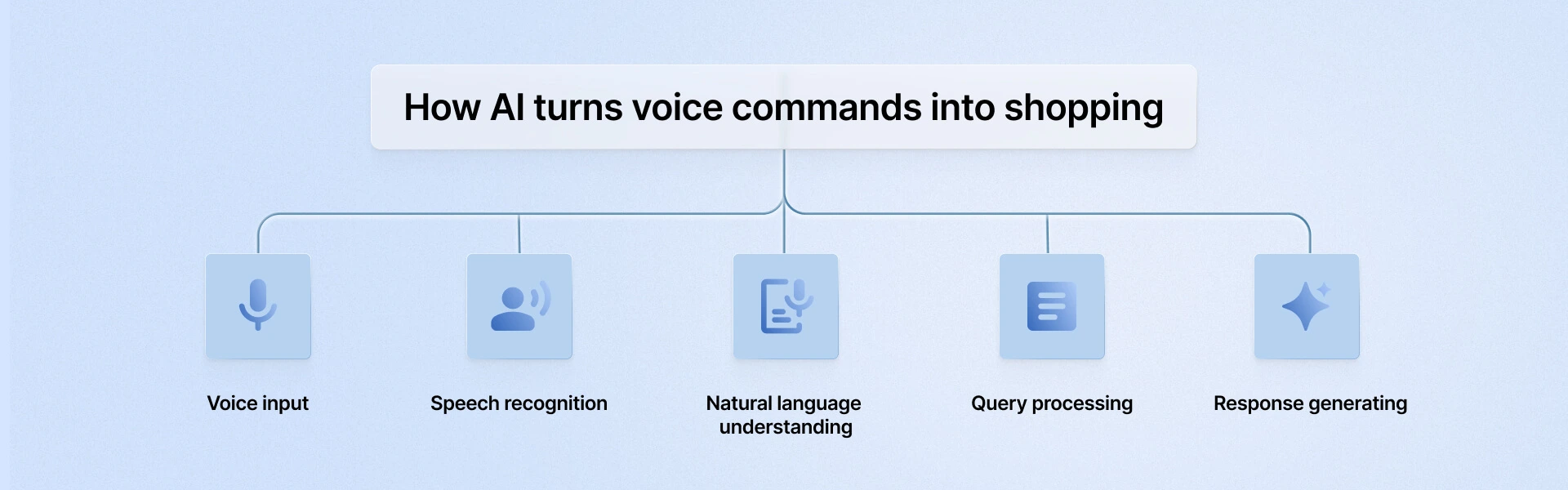
Voice queries result in higher-intent conversions since they are action-oriented.
Retailers require:
According to Meegle, emotion commerce enhances customer engagement by leveraging emotional data to personalize shopping experiences.
Emotion-Aware AI In Retail
Generative AI can predict:

According to RepIndia,
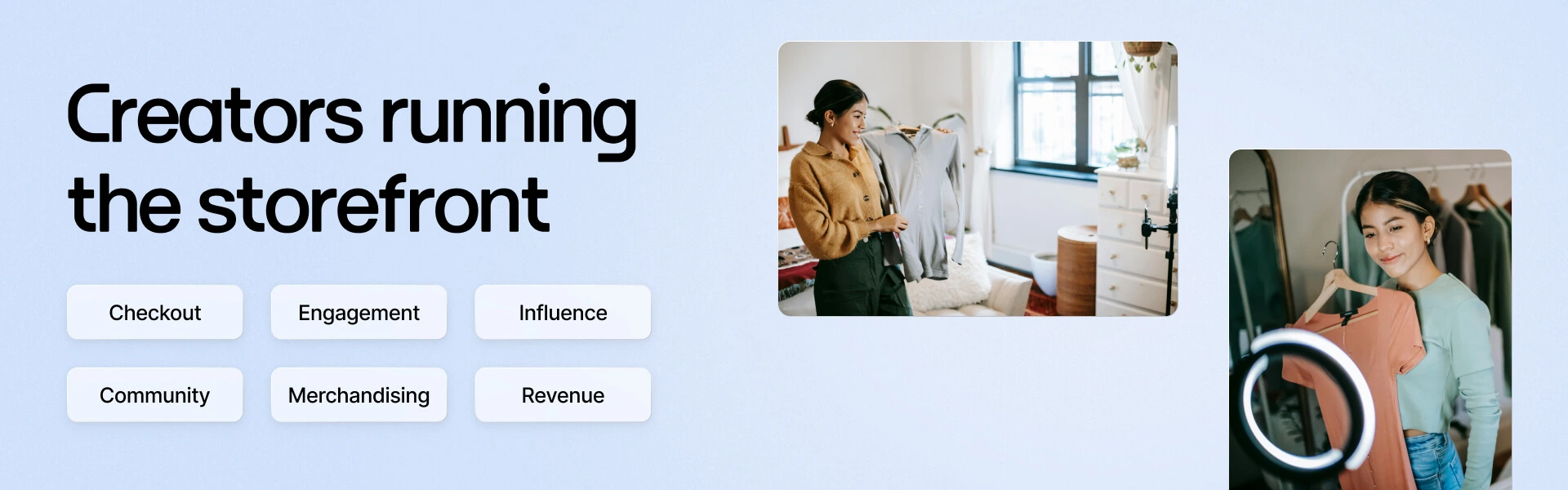
"Micro-influencers are driving higher engagement, stronger trust and better ROI than celebrity collaborations."
How Micro-Influencer Strategies Will Shape Social Media Marketing in 2026
Bernard Marr calls 2026 as the year of phygital convergence as "blurring the lines between online and offline" until it feels like a single continuous experience.
7 E-Commerce Trends That Will Transform Shopping In 2026
Checkout complexity kills conversions. In 2026, one-click, universal checkout systems will be the norm, reducing friction and increasing completion rates.
Razorpay redesigned the add-to-cart journey by implementing magic checkout that not only reduces checkout time by 60% but also increases conversions by 35%.
Magic Checkout is Now Even Faster, Powered by a New Single-Page Design

Unified checkout grows into identity-linked commerce, where a single login results in instant order completion across several platforms.
2026 will see a boom in ultra-fast fashion fulfillment led by improvements in quick commerce logistics.

The quick-commerce business in India (Blinkit, Zepto, Swiggy Instamart) is extending beyond grocery to include apparel and lifestyle pilots.
Fortune India- Magic Checkout is Now Even Faster, Powered by a New Single-Page Design
A hybrid model where customers:
This is the future of fashion retail.
In 2026, commerce will be defined by contextual reminders across platforms such as WhatsApp, SMS, email, RCS, push notifications and in-app communications.
Brands are no longer waiting for customers to return. They go wherever the customer is active.
According to industry analysts, RCS and AI-driven customization will become industry trends by 2026.
Text-em-all- Business texting trends 2026: What's actually changing?
Example: Blinkit sends real-time nudges: “Only 2 items left in your cart, delivering in 9 minutes”
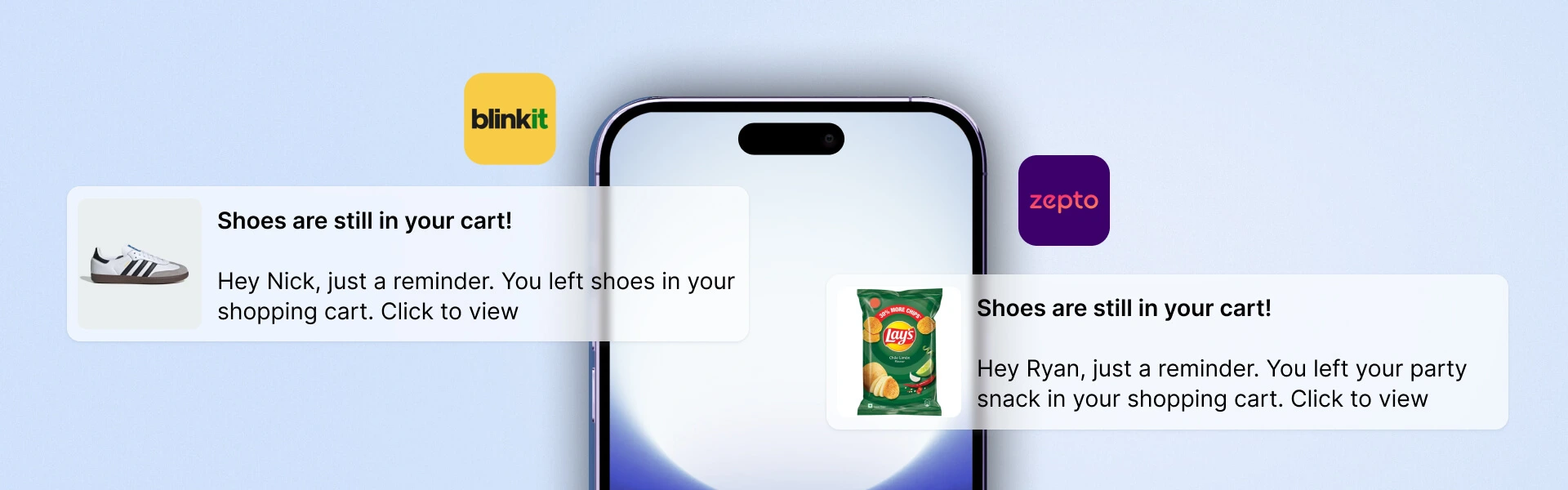
Commerce becomes multi-surface rather than multi-channel, which means that every surface (phone, inbox, social feed) serves as a conversion point.
If 2025 was the year retailers experimented with AI, 2026 will be the year it quietly takes over the consumer journey. Shopping now begins in an AI chat window, a creator-led storefront, or a mood that an algorithm recognizes before a human does.
Most importantly, think how AI may contribute to your overall business strategy. Where can intelligent systems actually make decisions better? Which parts of the customer's journey should remain human-led? And how can you strike a balance between automation and the kind of experience that users genuinely desire?
At Fynd, we're dedicated to helping retailers in modernizing these foundations, confidently implementing new technologies and remaining aligned with how the future generation of consumers will purchase.
If these shifts align with where your business idea is, our team can help you turn trends into real outcomes. Learn more to understand what 2026-ready retail trends like for your brand.
~t.compress(q:75)~t.toFormat(f:webp)/cms_uploads/pim-implementation-checklist-cover-v4-corrected-4k.jpg)
Prepare product data for a PIM migration by defining the data model, assigning field ownership, cleaning records and testing each wave before launch.
~t.compress(q:75)~t.toFormat(f:webp)/cms_uploads/blog-D0C5Q43K6DR-1791460635-292809-cover-7b967c49029e.png)
Compare 8 loyalty program software platforms for retail brands, including features for rewards, tiers, referrals, omnichannel loyalty and reporting.
~t.compress(q:75)~t.toFormat(f:webp)/cms_uploads/store-online-stock-tag-scan-corrected-cover-v7-4k.jpg)
Reservations, returns, transfers and delayed updates can all explain why stock figures differ, and the right checks help retailers resolve genuine mismatches.
Fill out the form
Share your contact information to get started
Speak to an expert
A member of our sales team will get in touch with you