February 21, 2026
She cold-messaged Samantha Ruth Prabhu before the deck was finished
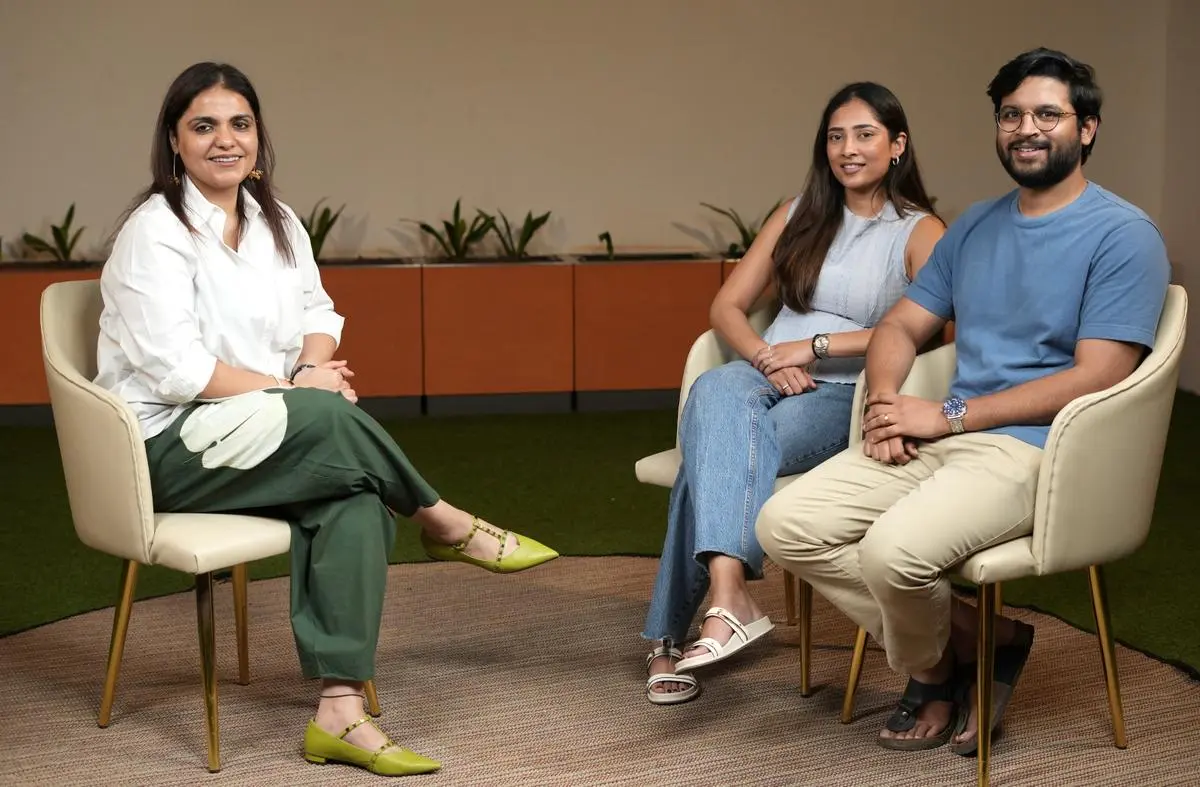
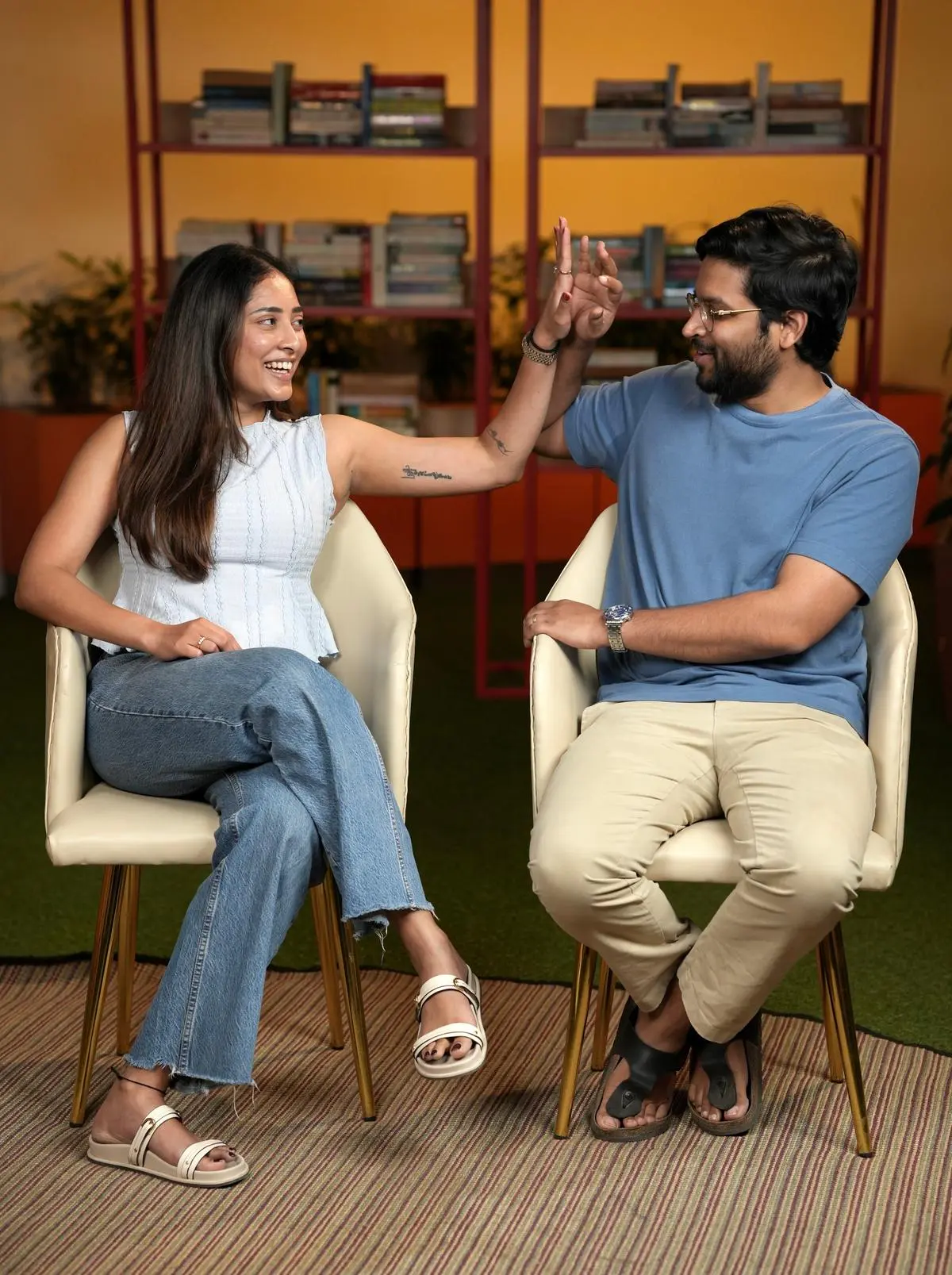
Harshita Motaparthi started Mile Active in 2023 with four products and no fashion background. Pravishta Nadella joined after checking the retention data himself. In 2026 it became Mile Collective, with a third co-founder.
The first version of the business fit in one room. Harshita sourced the materials, developed the products, answered the customers, packed the boxes and shipped them. Four styles. The first orders came from friends, family and a private Instagram account, and then from names she didn’t recognise, which is the only marketing signal that has ever really counted.
The problem was personal. During the pandemic she was working out at home with her mother and sister, three different ages and body types, and none of them had a dependable Indian brand for activewear. The things that looked good failed when you moved in them. The things that performed were designed for other climates and other sizing systems.
The numbers that made a sceptic join
Pravishta came into the business after he and Harshita married, and he is refreshingly unromantic about why. It was not the commitment. It was the data.
Twelve-month repeat purchase was running above 50%. He stripped out friends and family and it was still around 45%. Merchandise returns were about 3%, in a category where that number is normally frightening. He went through thousands of orders individually and spoke to customers, several of whom told him Mile gave them the same confidence as international brands costing far more.
Retention was revealing a value proposition the founder had been too close to see, and by her own account too underconfident to claim.
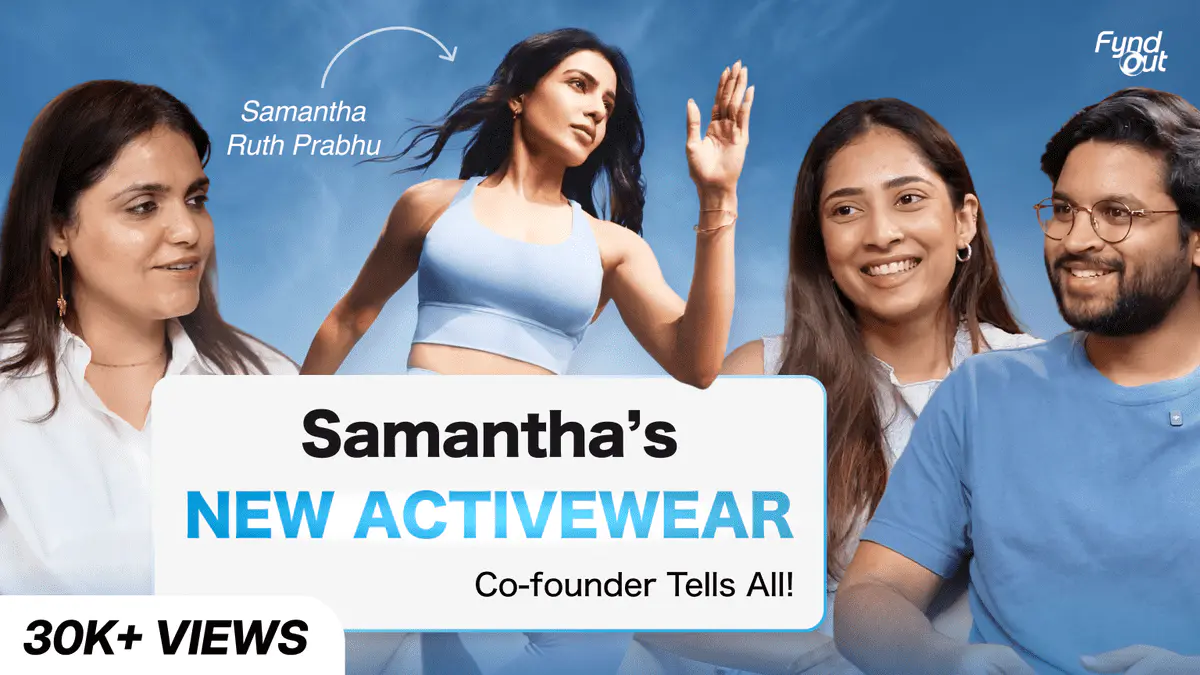
A lawyer with no idea how clothes get made
Harshita trained as a lawyer and graduated into the pandemic with good grades and an obvious career available. She had already worked out during law school that it wasn’t her future, and had nothing in fashion, sourcing or manufacturing to replace it with.
So she learned by interning at startups, talking to suppliers, studying samples, and discovering that every vendor promise has to be tested at production scale. Not having inherited expertise forced her closer to the work than a trained designer might have been.
International brands as a reference, not a template
She initially handed suppliers pieces from Lululemon and Alo so they could understand construction. What that taught her was what those products did well, and why copying them would not solve the problem in front of her.
Indian humidity, Indian heat, Indian body diversity and Indian price expectations pull in different directions. Mile moved towards breathable, moisture-managing nylon blends and fit development done locally. A global benchmark can define quality. It cannot define relevance.
Durability is the marketing
The complaint that came back most often about activewear generally was waistbands giving up after a few washes. So durability became the product promise rather than a feature.
Harshita mentions running a half marathon in a four-year-old sample. Pravishta says one of the original leggings went through hundreds of test wash cycles without losing its integrity. It is a performance claim and an economic one at once: a garment that holds its shape protects the repeat purchase, which is how a homegrown brand competes with international labels without competing only on price.
Why the size range hasn’t expanded yet
They are candid that the current range is not as inclusive as they want it, and equally candid about why. It is not a demand question. It is an unsolved engineering one.
A waistband engineered to perform across one range does not necessarily hold beyond it. Rather than stretch an existing pattern and call the result inclusive, the team wants to redesign for the bodies being added, plus tall and short lengths. That is a slower answer than most brands give, and a more honest one.
The number below which a product doesn’t stay
Pravishta names 4.3 as the customer satisfaction score a product needs to remain confidently in the catalogue. Harshita adds the qualitative version: it has to perform, look good and feel good, without trading one off against the others.
The threshold does real work, because it separates a poor product from poor demand. Something well-liked but slow-selling may just need time or explanation. Something badly rated needs fixing or removing. Founders regularly confuse the two and kill the wrong thing.
The message that turned an investor into a co-founder
They approached Samantha Ruth Prabhu as a prospective investor, because her long-standing interest in fitness and wellness genuinely fit the brand. The introduction was a cold message to a number Harshita still had from an old internship group chat. Her team replied within minutes, before Mile had even finished the pitch deck.
What happened next is why the title stuck. Samantha had already worn the product, tested it over time, and sent back detailed feedback including how pieces behaved after machine washing. She was behaving like a product partner before anyone offered her the role.
The founders are clear about the distinction. An endorser says she trusts a product. A co-founder says she helped build it and puts her reputation on the outcome, which means product testing, focus groups and brand decisions rather than a campaign shoot. Mile Active became Mile Collective in 2026, co-founded by all three, with a debut collection called OnTheGo.
Control over growth
Asked to choose between growth and control, both pick control: over product quality, the purchase and return experience, support, and how feedback gets into the next iteration. Growth that costs them fit, service or durability would destroy the reason customers came back in the first place.
Their closing advice is the opposite of cautious, though. The Samantha message went out before the deck was ready. The first products launched before Harshita felt like a fashion person. Pravishta joined on evidence the founder herself had underplayed. The downside of taking the shot is usually silence. The upside occasionally rearranges the company.
Listen to the full conversation with Harshita Motaparthi and Pravishta Nadella on FyndOutWithRagini.