May 20, 2025
How predictive analytics is changing fleet management
Learn how predictive analytics helps fleets cut downtime, lower costs, and prevent breakdowns. Real-world use cases, tools, and tips to get started.
~t.compress(q:75)/cms_uploads/blog_predictive-analytics-fleet-management.webp)
May 20, 2025
Learn how predictive analytics helps fleets cut downtime, lower costs, and prevent breakdowns. Real-world use cases, tools, and tips to get started.
Fleet breakdowns cost businesses an average of $448 to $760 per day per vehicle, depending on industry and load type (Platform Science). That’s not just repair bills—it’s late deliveries, missed pickups, rerouted drivers, and unhappy clients. Now imagine catching those problems before they happen.
That’s exactly what predictive analytics is built for.Instead of reacting after something goes wrong, fleets can now use real data—vehicle health, driver behavior, fuel logs—to flag the warning signs early. It’s not futuristic. It’s already part of how smart fleets cut downtime, control costs, and keep everything moving.
In this guide, you’ll find everything you need to understand what predictive analytics actually is, how it works in real operations, where it helps the most, and what tools make it possible. We’ve broken it down to keep it real, practical, and easy to apply—whether you’re running ten vehicles or two hundred.
Predictive analytics in fleet management is really just paying attention to what’s already happened—how the trucks are driven, where they go, and what kind of issues come up. Over time, you start to see patterns. Certain problems tend to show up the same way, and once you notice that, it’s easier to step in early. You’re not waiting for something to break—you’re cutting it off before it does.
This shows up the most with maintenance. When a truck’s piling on miles, burning through parts quicker than usual, or throwing strange engine codes, odds are it’s going to need some attention—even if it seems fine right now. Getting ahead of it avoids last-minute fixes and downtime. Same goes for drivers. If someone’s always slamming the brakes, idling forever, or flying over the speed limit, that usually leads somewhere bad. But you don’t have to wait for it to go wrong. The signs are there if you’re looking.
It also plays a role in budgeting. Predictive models help decide when to retire a vehicle based on total cost trends, not just age. They flag fuel waste, underused assets, and costly routes. This kind of early insight means decisions aren’t based on guesswork—they’re backed by real data. And that makes daily operations smoother, not just reactive.

Predictive analytics gives fleet teams the ability to act early—before small issues turn into costly ones. Here's how that plays out across different parts of fleet operations:
Vehicles rarely break down without warning. Fault codes, temperature changes, engine hours—these leave a trail. Predictive systems use that data to suggest when service is needed, so trucks don’t end up stalled on the road.
Fuel waste, poor route choices, and avoidable repairs create hidden losses across the fleet.
Predictive tools help spot where those losses are building.
That kind of detail means decisions aren’t made on gut feeling—they’re backed by what’s really happening on the road.
Risky driving isn’t always easy to spot without data. But when a driver often brakes too hard, speeds in certain zones, or leaves the engine idling too long, it shows up. Fleet managers can use that info to step in early—before it leads to damage, downtime, or worse.
Telematics data makes it easier to track where fuel is going fast. Some routes burn more. Some vehicles idle too long. Some drivers accelerate harder.
By comparing that across time, fleets start to see what’s causing the waste—and what to change.
Not all trucks run the same routes or carry the same weight. So, fixed service schedules don’t always make sense. With predictive inputs, vehicles are serviced based on how they’re used—not just how long they’ve been on the road. That prevents over-servicing and cuts back on surprise repairs.
Inspections and emission tests often get missed because they’re treated like background tasks. Predictive tools bring them forward. They help teams track every deadline, stay on top of required checks, and avoid penalties tied to late paperwork or missed service logs.
Not every route performs the same—especially when weather, traffic, and time of day change things.
Predictive routing pulls from past delays, slow zones, and driver inputs to map out what’s most likely to work now, not just what worked last week.
Sometimes trucks run light. Other times, a few vehicles carry more than they should. Usage patterns point that out. Predictive inputs help dispatchers rebalance resources by showing what’s needed, where, and when—before schedules get overloaded.
Predictive planning limits surprise breakdowns, delays, and missed windows. That means drivers hit their targets, support teams send fewer updates, and clients don’t need to keep checking in. Reliable timing does more for trust than any loyalty program.
Here’s what makes predictive analytics actually run—not just in theory, but in the middle of a workday when something’s about to go wrong:
These are the trackers inside your vehicles. They’re pulling constant data—where the truck is, how fast it’s going, what the engine’s doing. Without that, there’s no starting point.
Once you’ve got all that incoming info, something’s got to make sense of it. That’s what these platforms do. They turn raw stats into something readable, something useful.
This part’s doing the guessing—but with data. It looks at what’s happened before and tries to spot the same signs happening again. That’s how you get ahead of breakdowns or fuel waste.
The best insights don’t mean much if they just sit in a report. When hooked into the tools you already use for maintenance, these alerts actually lead to action—service gets booked before it’s too late.
Fleet managers benefit from real-time dashboards to reduce manual report monitoring. Dashboards show what’s going on at a glance. Alerts pop up when something’s off, so you don’t miss it in the noise.
This kind of data can’t just float around. You've got to lock it down. Access controls, encryption, and proper mobile security all matter—especially when this connects with other tools.
Here’s what usually gets in the way when teams try to bring predictive analytics into real-world fleet ops—and what they actually do to get around it.
The system pulls in a ton of information, but not everything is worth tracking. Teams often get stuck trying to make sense of all of it at once, which leads to missed problems or slow response.
Solution:
Pick out what matters most like major fault alerts or repeat fuel issues—and set filters to focus only on those. It’s not about more data, it’s about better timing.
Most fleets already have tools they rely on maintenance logs, GPS tracking, dispatch boards. Adding one more layer can break things if it doesn’t fit right.
Solution:
Teams usually bring in APIs or a middle tool to help the new system talk to the old ones. That way, nothing needs to be rebuilt from scratch, and the team keeps using what they already know.
Predictive tools sound good on paper, but once quotes come in, the cost can slow things down. A lot of teams get stuck at this stage just trying to figure out if it’s worth it.
Solution:
They usually test it with a small group of vehicles first. That way, they get real numbers to show what it saves before they spend more.
These tools deal with stuff you can’t afford to lose like where drivers go, how fast they’re driving, and what shape the trucks are in. If any of that gets out, it’s not just an IT issue—it’s a legal one.
Solution:
Teams tighten up access, use encryption by default, and check the system often. The idea is to keep it locked without making it hard to use.
Most fleet teams aren’t built around data. Even if the tools are good, someone still needs to read what they’re saying and know what to do with it.
Solution:
Some bring in outside help. Others just train the folks they already have. Either way, it works better when someone on the team actually gets both the numbers and the fleet.
People don’t always trust new systems especially if it feels like it’s replacing the way they’ve always done things. Drivers and managers both can push back.
Solution:
It helps to loop everyone in early. If they see how it makes their day easier, not harder, they’re a lot more likely to get on board.
Making predictive analytics work long-term isn’t just about plugging it in it’s how teams use it, update it, and talk about it that really makes the difference.
The best system in the world won’t help if no one knows what the graphs mean. Some teams just hand people a dashboard and hope they figure it out. That rarely works. Instead, show drivers and managers how to read the signals, spot a real issue, and act on it quickly. Once the team gets comfortable, the system becomes something they rely on not something they ignore.
What worked six months ago might not work now. Routes change, weather shifts, drivers rotate so the data has to keep up. Most predictive systems get smarter over time, but only if they’re fed fresh, clean data. It’s worth setting a regular check-in to review the model. If it’s falling behind, tweak it before it starts giving the wrong signals.
Jumping into a full rollout without testing usually backfires. A smaller pilot gives you room to try things, adjust as needed, and see what kind of impact the system actually has. It also helps surface issues early like tech problems, team pushback, or missing data. Once the pilot proves itself, expanding is way easier because the results are real, not just promised.
The folks out on the road or in the garage see what’s working and what’s getting in the way. If they’re not giving feedback or no one’s listening to it you’ll miss the small stuff that makes or breaks the system. Keep the door open. Let them speak up when something feels off. A quick check-in every now and then goes a long way.
It’s one thing to get a prediction, but the real test is what happens when you act on it. Did a service alert actually prevent a breakdown? Did a route change save time? Tracking the results helps you figure out if the system’s doing its job—or just adding noise. It also helps refine how people use the insights day-to-day, so the whole setup keeps getting better.
New tools and better models are coming out constantly. The system you installed last year might already be outdated, or missing features that could save even more time. It doesn’t mean you need to upgrade constantly but checking in once or twice a year on what’s new can help you spot something that’s worth switching up or adding on.
You need more than just a good analyst you need someone who gets what actually happens out on the road. That mix of data knowledge and fleet experience is what turns raw numbers into useful decisions. Some teams hire for it, others partner with outside experts. Either way, the right people make the tech worth the time.
If the system just sits in a corner, it gets ignored. But if it’s part of how routes are planned, maintenance is scheduled, or fuel issues are flagged, it becomes a habit. That only happens when teams actually use it daily not just when something goes wrong. It’s less about the tool and more about where it fits into the workflow.
Predictive analytics changes how teams think about the day-to-day.
It doesn’t just react to problems it gives them a chance to stay ahead of the curve.
What changes over time is the mindset. Less reacting, less guessing. More steady, clear decisions that come from real info—not just gut feeling.
Fynd TMS is a cloud-based transport management system built to give brands and logistics teams better control over their delivery networks. It brings together order flow, partner coordination, and live tracking in one place without needing multiple tools.
Fleetio focuses on keeping vehicles healthy and organized without the clutter of spreadsheets. It’s used by teams that want stronger control over service, fuel, and inspections especially when managing a lot of moving parts.
Verizon Connect helps fleets keep tabs on drivers, vehicles, and routes especially when things scale. It’s a good fit for teams that need a tighter handle on day-to-day movement and long-term trends.
Samsara brings together cameras, telematics, and real-time data into one platform. It’s used by teams that want to see everything at oncevehicles, driver habits, engine health without flipping between tools.
Motive focuses on making compliance and safety simpler for fleet teams. It’s built to help drivers stay within rules, avoid errors, and keep logs accurate without slowing down the day.
Getting started with predictive analytics isn’t about adding more software. It’s about putting the right info to work and using it in ways that make your day smoother.
Start with what’s on hand GPS logs, service records, fuel slips. Doesn’t need to be fancy. Just clean, recent, and consistent. That’s enough to spot real patterns.
Don’t try to track everything. Pick one thing say downtime, fuel loss, or driver behavior. Use that as a test case. Keep it real and manageable.
Decide what should raise a flag. It could be back-to-back fault codes or a driver idling too long. Keep it simple. If the system knows what to look for, you’ll know when to act.
Ensure alerts are actionable and tied into daily workflows to drive timely response. Tie them into your team’s daily routine—maintenance schedules, dispatch plans, even driver feedback. It should feel like part of the job, not extra work.
Once you start using it, track what changes. Did that alert actually stop a breakdown? Did that fuel warning lead to a route fix? You don’t need a full report—just note what’s helping and what’s not.
Fleets change routes get longer, trucks age, drivers rotate. Make sure your settings aren’t stuck in place. What mattered six months ago might not matter now. Check in, tweak things, move on.
The best way to understand predictive analytics is to see where it’s actually used. These are real-world moments that show how it helps keep fleets moving.
Predictive analytics shows up in more places than most fleets realize. These are some of the common ways it gets used day to day.
Rather than wait for a breakdown on the road, fleets can catch issues early. Say a sensor keeps logging higher-than-normal engine temps. That doesn’t always trigger a fault code but it’s still a sign. When that data adds up, the system can flag it before the engine overheats.
Teams use this to bring vehicles in early, often fixing the problem with less cost and less downtime. It’s not about guessing—it’s about seeing a pattern before it turns into a breakdown.
Some trucks run harder than others. If you base service just on mileage, you’ll miss wear that comes from terrain, weather, or driving style. Predictive systems track how each vehicle gets used and suggest maintenance based on real wear and tear.
So one truck might need new brakes sooner, while another can keep going a bit longer. It takes the guesswork out of planning, cuts down on surprise repairs, and avoids taking trucks off the road when there’s no need.
It’s not always about one bad move—it’s about spotting a trend. A driver might be taking corners too fast, braking hard too often, or speeding more than others on the same route. These things don’t always get reported, but they show up in the data.
When the system flags those patterns early, the team can check in with the driver before there’s an accident. It’s a quiet way to reduce risk without calling someone out over a single event.
Fuel waste isn’t always obvious. One truck might idle more, another might have poor route timing, and a third could just have a driver who accelerates too hard. Predictive tools look at fuel use over time and compare it to routes, driver behavior, and traffic conditions.
When something looks off, it gets flagged. That gives teams a chance to adjust things whether it’s training, maintenance, or simply swapping a route. Little changes add up fast when you’re managing more than a few vehicles.
Not every truck ages the same way. One might run local routes with light loads, while another handles long hauls and tougher terrain. Over time, the wear and tear shows up in the data repairs get more frequent, mileage drops, fuel use goes up.
Instead of guessing, managers can use that info to time replacements right. It helps avoid throwing money into a vehicle that’s already past its prime and keeps the fleet moving without surprise failures.
It’s not always traffic that slows things down. Some delays come from a vehicle that’s out of shape, a driver who needs to reroute often, or a pattern that just hasn’t been noticed yet.
Predictive tools line up past trips with things like service records, route history, and driver habits. When something doesn’t match up, the system flags it. That gives dispatchers a heads-up, so they can make a better call the next time that delivery’s scheduled.
It’s about spotting issues early. You’re using real data—stuff that’s already coming in—to flag patterns before they turn into problems. Think of it as catching things while they’re still small.
Not at all. Even if you’re managing 10 vehicles, you’ve still got fuel, routes, and service needs to watch. These tools just help you stay a step ahead—no matter the size.
It’s only as good as the data going in. If your logs are solid and up to date, the system picks up on trends early. It’s not about being perfect—it’s about seeing trouble before it shows up.
Whatever shows how your fleet runs—GPS data, service records, fuel slips, driver reports, engine faults. Most of this info is already there. Predictive tools just read it differently.
Definitely. That’s one of the biggest reasons teams use it. It flags signs of wear early—so you don’t wait for a part to fail before doing something about it.
It’s easier than most people think. You can start with what you already track. A lot of platforms plug into existing tools, so you don’t have to rebuild your system from scratch.
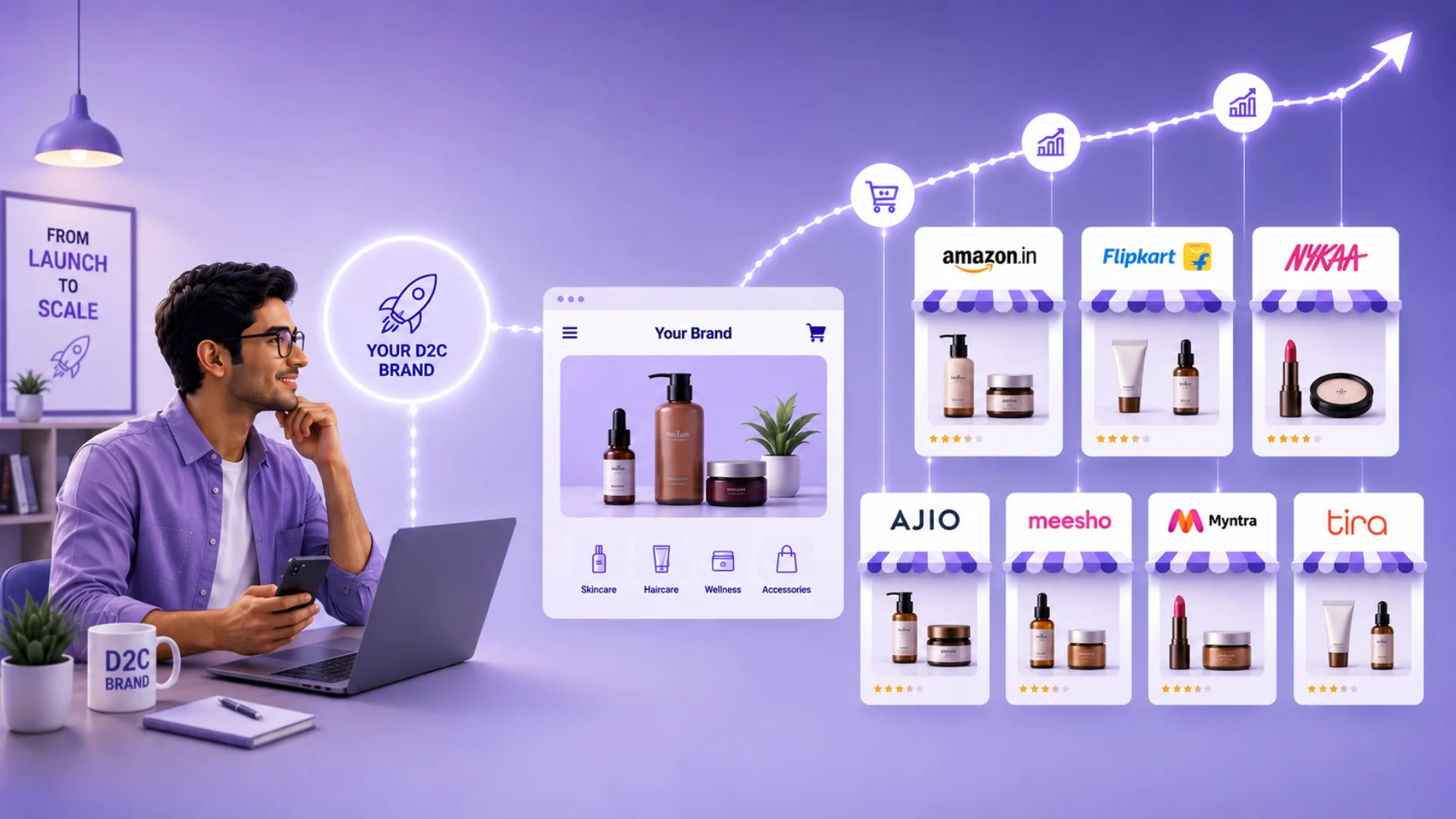
A step-by-step guide to launching, managing, and scaling your D2C brand across marketplaces.
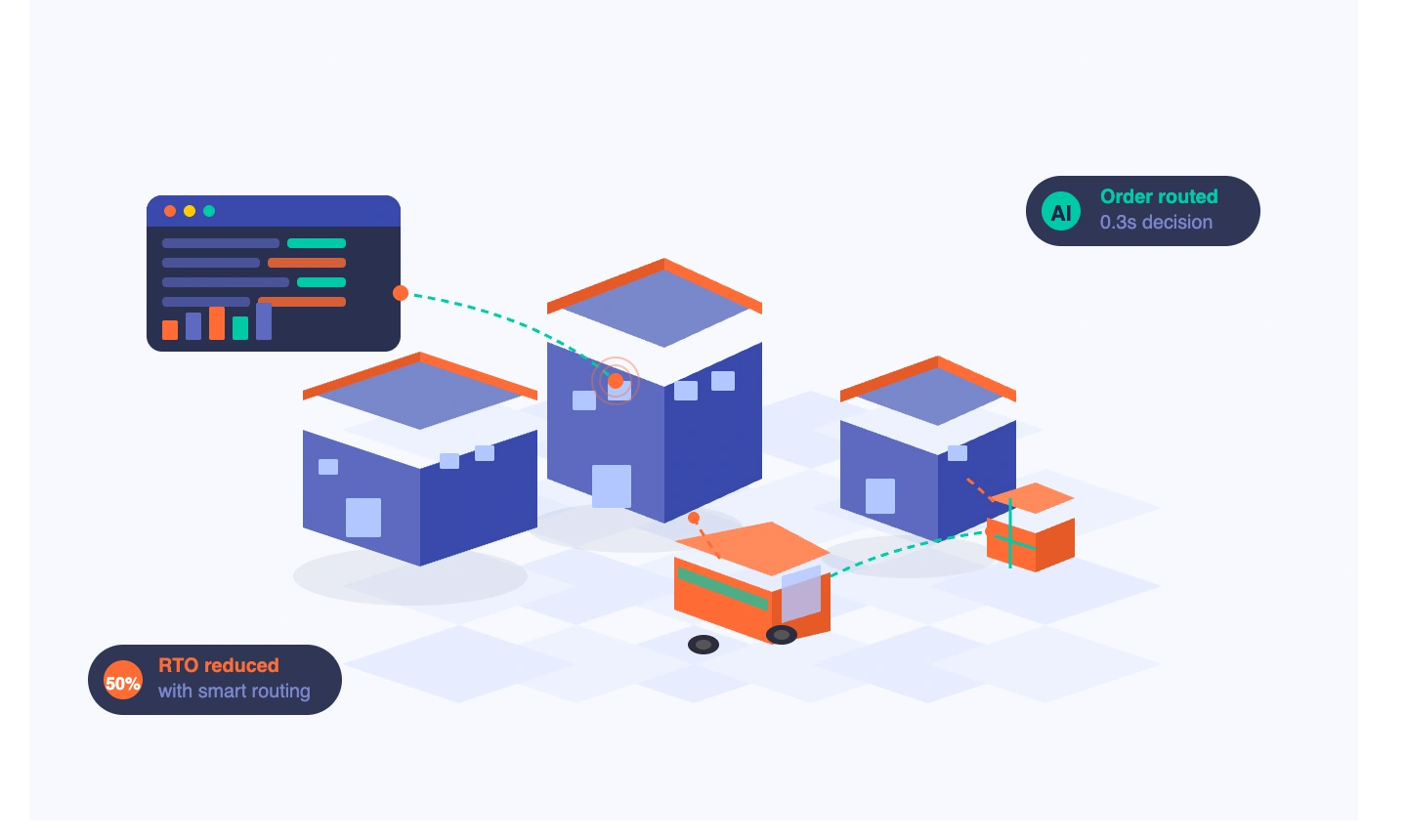
Order management is no longer just about tracking shipments. In 2026, AI-powered OMS platforms are transforming how brands fulfill, route and retain. Here’s what that looks like in practice.

Fynd’s Store OS (POS) went live one of our client’s exclusive stores within days of the brief, with billing up and running and plans to scale across hundreds of stores.
Fill out the form
Share your contact information to get started
Speak to an expert
A member of our sales team will get in touch with you