Let customers try
before they buy
.png)
.png)


Features built for immersive retail
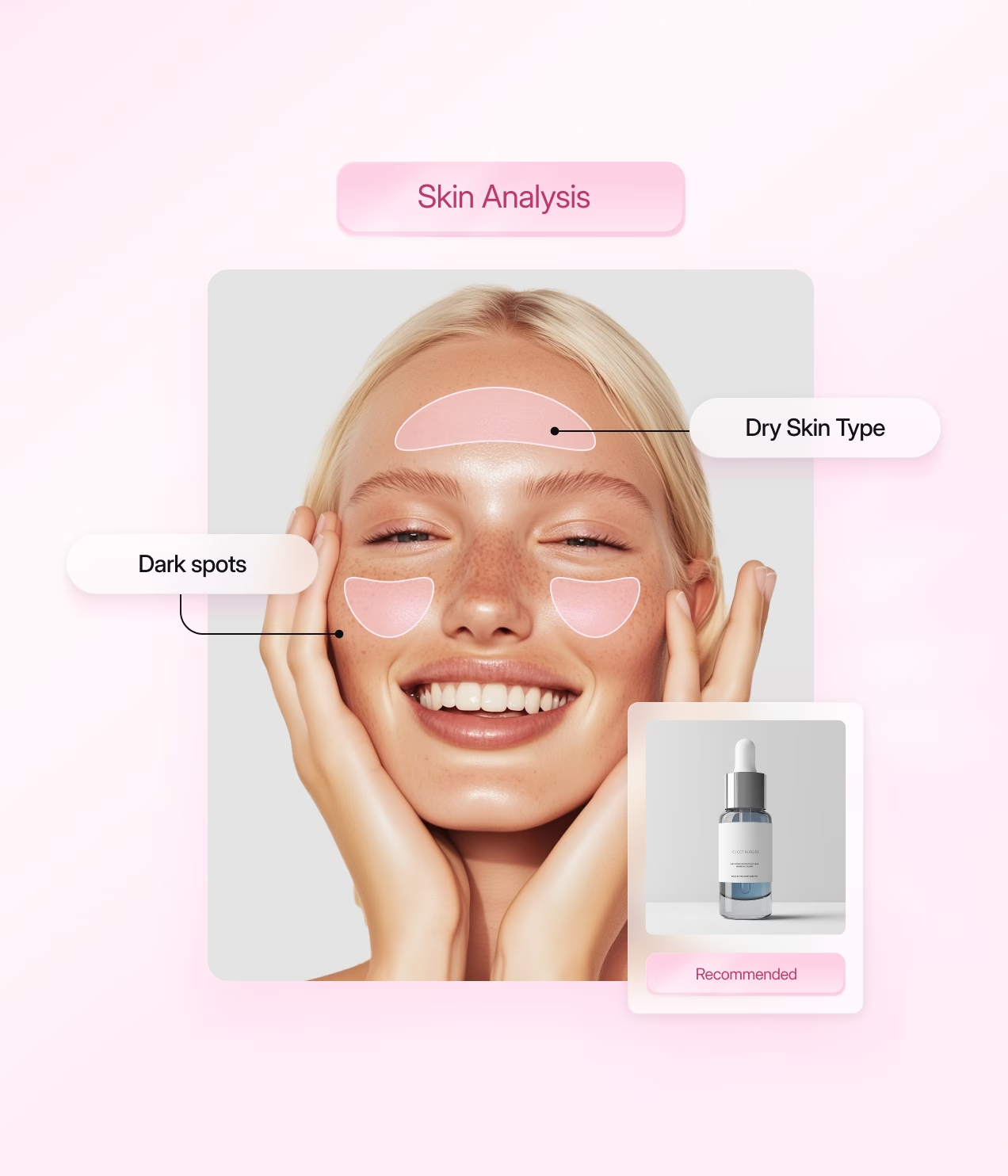
AI skin analysis
.png)
.png)
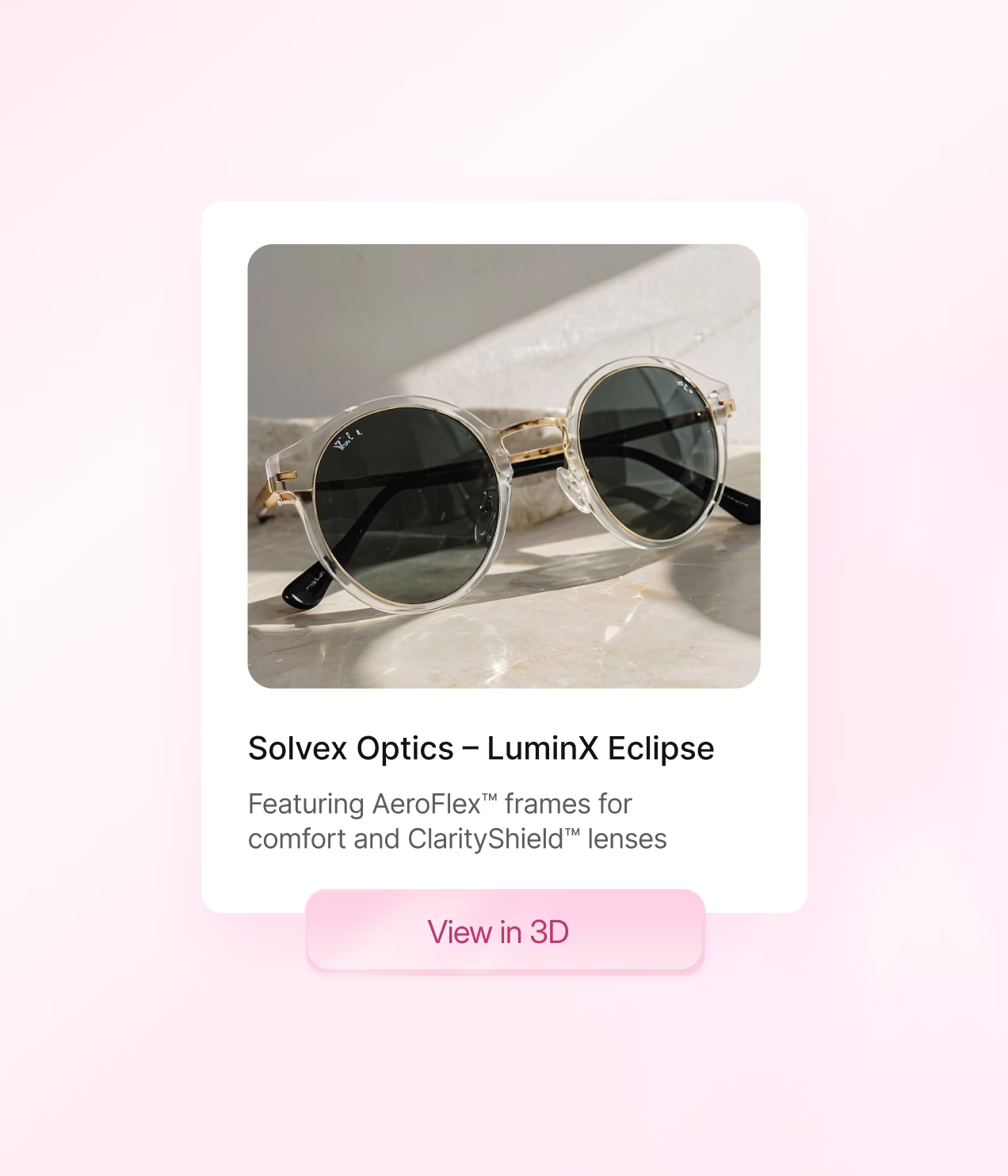
AR / VR / 3D experiences
.png)
.png)
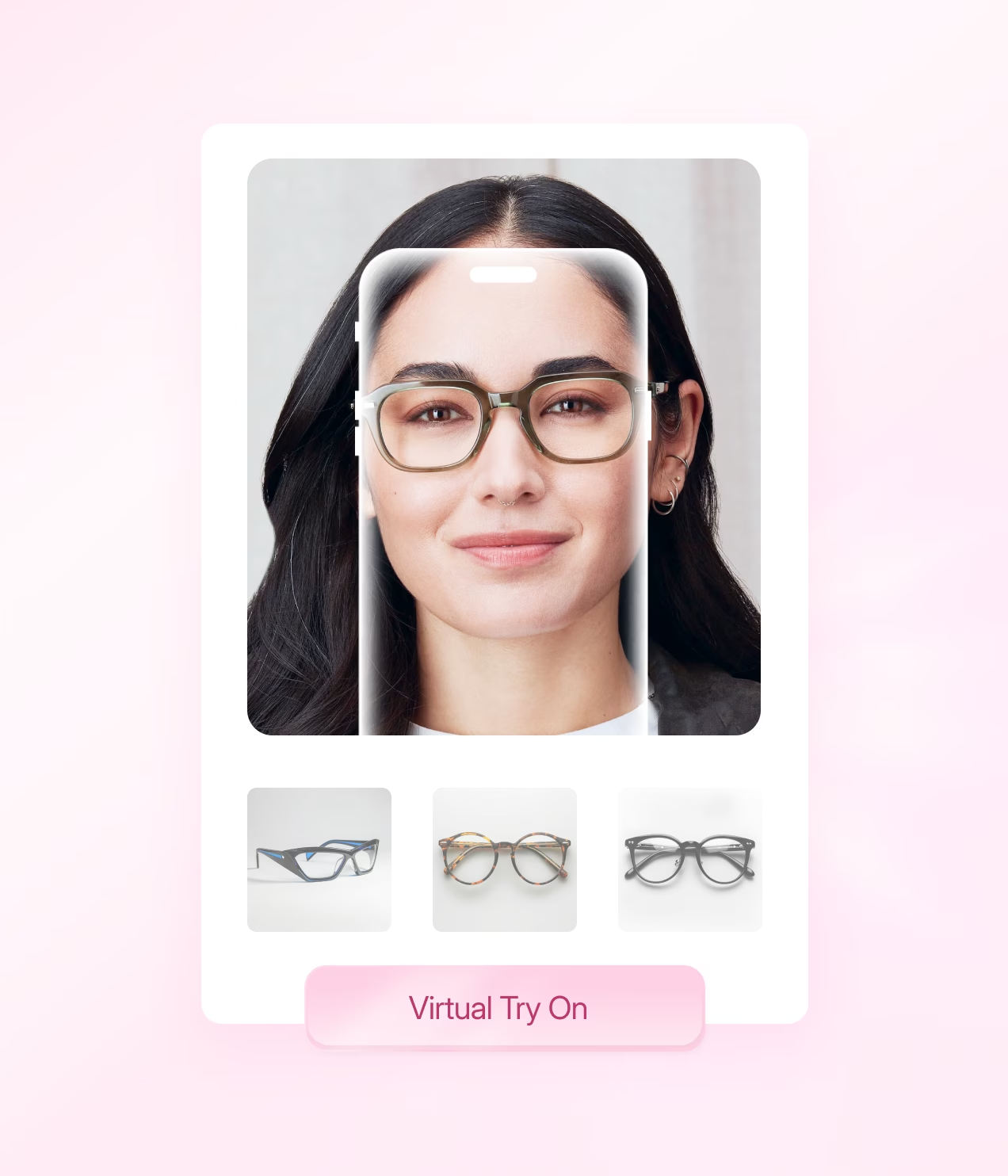
Virtual try-ons
.png)
.png)
Success stories with real impact


Results & scale you can trust
45%
Improve conversions by up to 45%
94%
Increase customer engagement by up to 94%
40%
Cut return rates by up to 40%
Why brands choose Fynd
Industries we power with AI-native commerce


Frequently asked questions
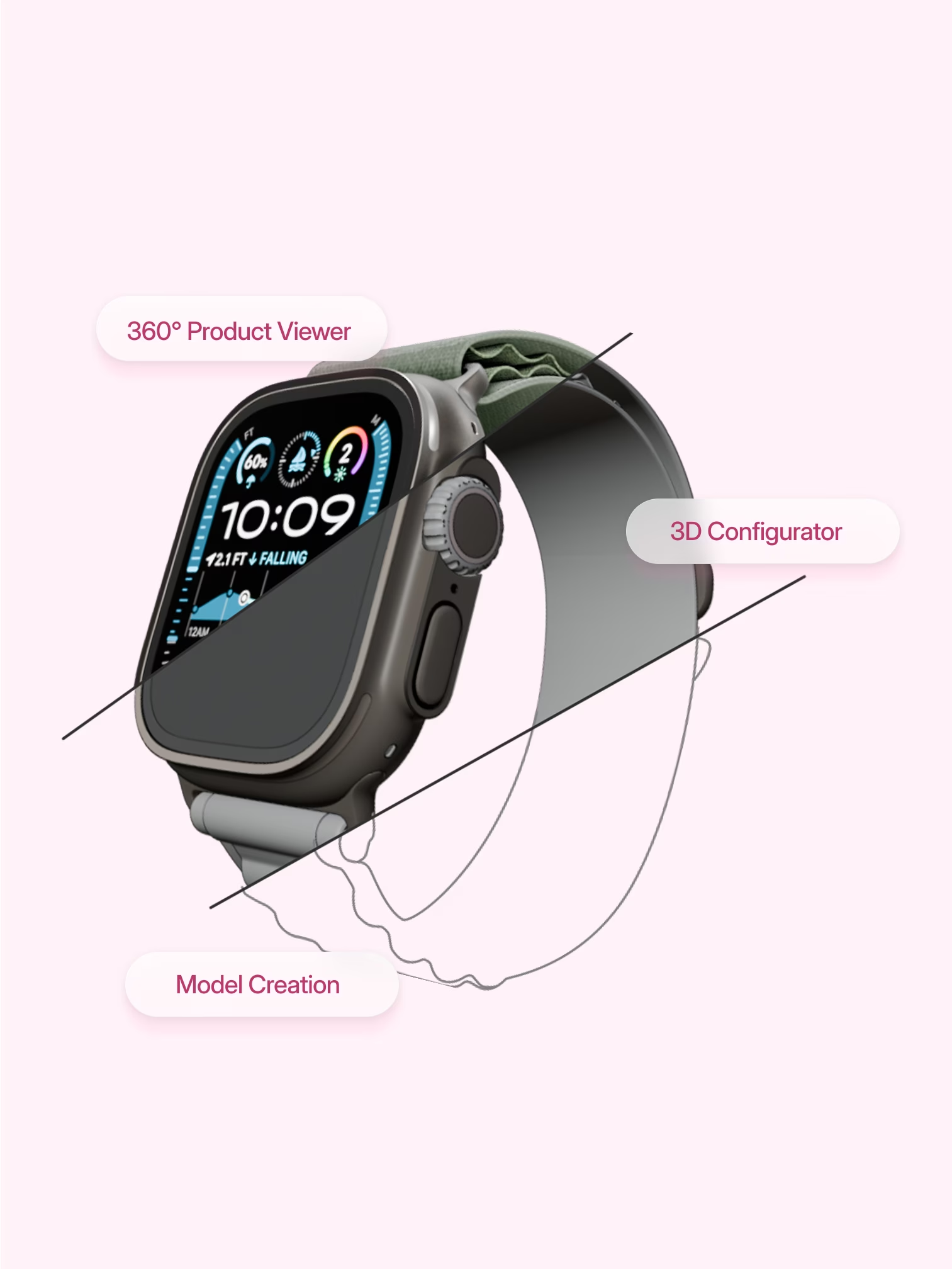
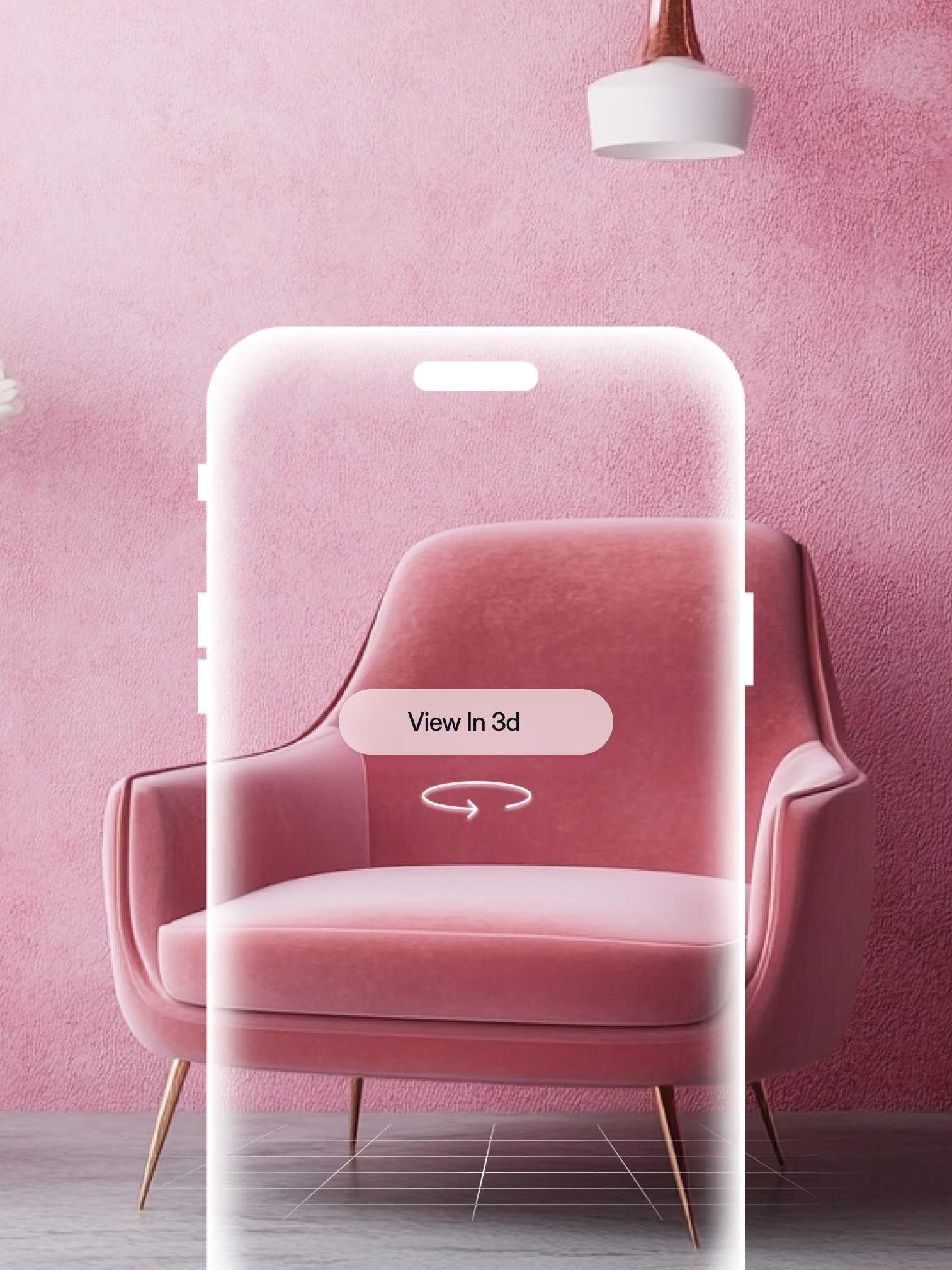
Immersive Commerce uses technologies such as Augmented Reality (AR), 3D product visualization and AI-driven analysis to let customers interact with products before they buy. Instead of relying only on static images, shoppers can try, preview or analyze products in real time, improving confidence and reducing uncertainty.
AR try-ons use a customer’s device camera to overlay products such as jewelry, eyewear or cosmetics onto their face or body in real time. The system tracks movement and positioning so the product appears natural and proportionate. This allows customers to see how items look from different angles before making a purchase.
AI skin analysis uses image recognition and machine learning to assess visible skin characteristics through a live camera scan. It can identify factors such as dryness, oiliness, tone variation and other visible concerns. Based on this assessment, it recommends suitable products from your catalog. While it does not replace medical advice, it provides personalised guidance that improves buying accuracy and customer confidence.
No. All immersive experiences can run directly within your e-commerce website through a mobile or desktop browser. For in-store use, they can operate on tablets, kiosks or smart mirrors without requiring customers to install anything.
No. Immersive modules are optimised to load efficiently and can be deployed selectively on relevant product pages. Performance remains a priority, ensuring the experience enhances engagement without affecting site speed.
Yes. Fynd Immersive Commerce integrates with your storefront, product catalog and inventory systems. It can connect with Fynd’s unified commerce stack or work alongside existing e-commerce infrastructure, depending on your setup.
Returns often happen because customers’ expectations do not match reality. When shoppers can preview size, color, fit or suitability before checkout, they make more informed decisions. This reduces incorrect purchases and lowers return volumes.
Yes. Immersive tools can enhance assisted selling in-store. Sales associates can use tablets or interactive displays to help customers visualise products, analyze skin or preview options that may not be physically available on the shop floor.
Industries where visual accuracy and personal suitability matter most see the strongest results. This includes beauty and skincare, jewelry, eyewear, fashion, accessories and furniture or home décor.
The system can be configured according to your privacy and compliance requirements. Image analysis can be processed in real time without storing personal images unless explicitly enabled. This helps brands remain compliant with UK data protection standards.
Implementation timelines depend on the number of product categories and integrations required. In most cases, retailers can begin deploying immersive experiences within weeks once product assets and integrations are aligned.