Luxury furniture is sold on craftsmanship, material quality and scale, none of which come through clearly in a flat product photograph. A customer considering a hand finished dining table or a bespoke sofa wants to see the grain of the wood, the weight of the upholstery and the way a piece will actually sit in their home before they commit to a purchase that often costs thousands of pounds or dollars. This is precisely the gap that 3D visualisation is built to close, and it is why luxury furniture brands are among the biggest beneficiaries of this technology.
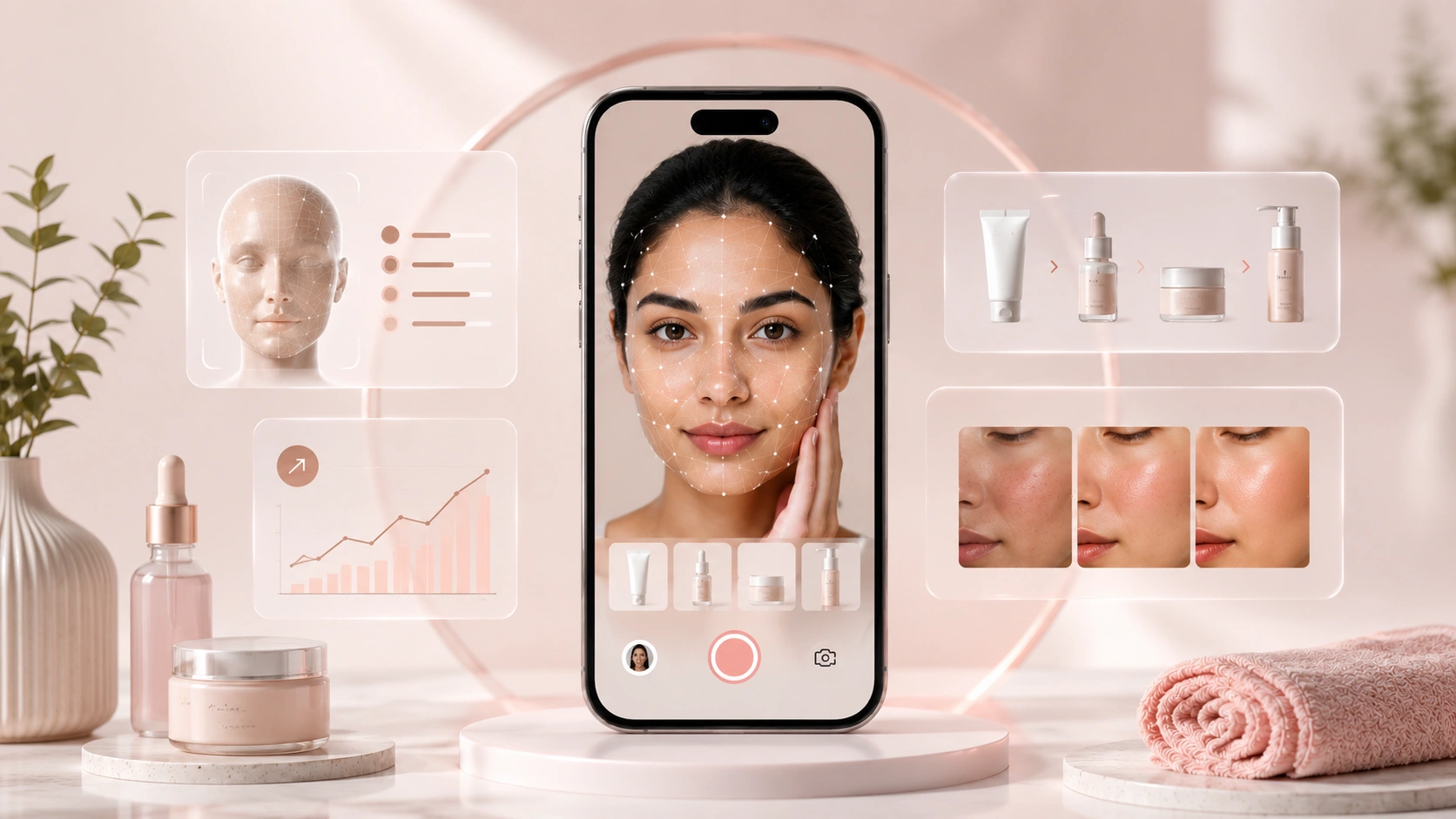
3D visualisation allows shoppers to rotate, zoom into and interact with a digital replica of a physical product directly inside a browser or application. For furniture brands, this technology often extends into augmented reality, allowing customers to place a true-to-scale version of a sofa, cabinet or armchair inside their own room using a smartphone camera. For a category where scale, texture and finish carry as much weight as design, this level of detail is no longer an added advantage. It is rapidly becoming an expectation. Platforms such as GlamAR have built their furniture offering specifically around this need, combining 3D viewing, configuration and room placement into a single solution.
Why luxury furniture shoppers need 3D visualization system
High-end furniture buyers are naturally cautious. They are making a considered investment in a space they care deeply about, and they know that a beautifully styled product photograph does not always reflect how a piece will look in their own home.
Questions around size, material, lighting and compatibility with existing interiors often remain unanswered. As a result, hesitation increases and purchasing decisions take longer.
3D visualisation removes much of this uncertainty. Customers can rotate a piece to inspect craftsmanship, zoom into stitching or wood grain and switch between finishes or configurations in real time using interactive 3D models. Augmented reality takes the experience even further by allowing customers to visualise furniture in their own living space at its actual size before purchasing.
The core benefits of 3D visualization for a luxury furniture brand
Interactive 3D experiences build confidence, leading to higher conversion rates. Shoppers get a clearer view of the product that reduces costly furniture returns. Customers also spend more time exploring interactive product pages, resulting in higher engagement and stronger long-term retention.
For luxury furniture brands, 3D visualisation also improves operational efficiency. A single 3D model can be used to create multiple product renders across different finishes, colours and configurations, reducing the need for repeated photography. At the same time, offering immersive product experiences helps brands differentiate themselves from competitors that still rely primarily on static product images.
Key 3D visualization features luxury furniture brands should look for
Not every 3D visualisation platform offers the same level of functionality. Luxury furniture brands should look for features that help customers evaluate products with confidence while remaining easy to manage internally. The right combination of features can improve the shopping experience while also supporting merchandising and product management teams. GlamAR's furniture solution brings each of these capabilities together in one platform, purpose built for furniture and home retailers.
Feature | Why it matters |
360-degree rotation | Allows customers to inspect products from every angle, closely replicating the showroom experience. |
Zoom functionality | Highlights craftsmanship, stitching, wood grain and fabric texture. |
Product configuration | Displays different materials, finishes and dimensions instantly. |
Augmented reality placement | Shows furniture inside the customer's own home at true scale before purchase. |
Fast embeddable viewer | Delivers a smooth experience across desktop and mobile devices without slowing down the product page. |
Analytics dashboard | Reveals customer preferences and engagement patterns to support merchandising and marketing decisions. |
Furniture brands already proving the 3D model works
Several leading furniture and home improvement retailers have successfully adopted 3D visualisation to improve the online shopping experience. Their success shows how interactive product experiences can increase customer confidence and support better business outcomes.
IKEA
IKEA introduced augmented reality through its IKEA Place application, allowing customers to place true-to-scale 3D furniture in their homes before purchasing. This has helped improve buying confidence and reduce returns.
Wayfair
Wayfair offers 3D visualisation and augmented reality across thousands of products, enabling customers to explore furniture from every angle and visualise it in their homes.
Home Depot
Home Depot uses 3D visualisation and room planning tools to help customers plan home improvement projects. This makes it easier for shoppers to visualise products in their spaces and purchase with confidence.
When evaluating a 3D visualisation platform, look for the following:
Easy integration: The platform should connect seamlessly with your existing commerce platform.
High rendering quality: Materials, textures and finishes should be represented accurately to reflect the quality of luxury products.
Fast performance: Product experiences should load quickly across desktop and mobile devices.
Browser-based augmented reality: Customers should be able to access augmented reality without downloading a separate application.
Scalable pricing: The pricing model should support a growing catalogue with multiple product variants and configurations.
Reliable implementation support: Strong onboarding and technical support can help ensure a smooth deployment and faster time to value.
The bottom line for luxury furniture brands
For luxury furniture brands, the value of 3D visualisation is clear. The category depends on communicating craftsmanship, quality and scale, yet traditional photography has inherent limitations.
Interactive 3D models and augmented reality bridge this gap by allowing customers to explore products in greater detail and visualise them in their own homes before purchasing. As a result, brands can increase customer confidence, improve conversion, reduce expensive returns and create a shopping experience that reflects the premium nature of their products.
As customer expectations continue to evolve, investing in immersive product visualisation is becoming less of a differentiator and more of a necessity for luxury furniture retailers.
Luxury furniture brands evaluating these criteria can explore how GlamAR approaches furniture visualisation, from rendering quality to browser-based augmented reality placement, to see how a purpose built platform addresses each requirement.
~t.compress(q:75)/cms_uploads/3D-visualization-for-luxury-furniture.webp)