Scaling a D2C brand in India? Here’s how Fynd compares to WooCommerce
India’s D2C market passed $15 billion in 2025 and is expected to reach $267 billion by 2030. More than 800 brands are selling to 250 million online shoppers across ecommerce platform India. The opportunity is real and growing quickly.
But here is an uncomfortable truth: most D2C brands do not face problems at launch. The real challenge comes when they try to scale. Orders increase, channels grow and the tools that worked at ₹10 lakh a month start to fail at ₹1 crore.
And, if you are an established D2C brand in India or planning to build one, you have probably spent time comparing platforms. And somewhere in that search, Fynd and Woocommerce have both come up.
Both can help you go online. But as your brand grows, the differences start to matter more.
This blog breaks down what each platform does well, where they diverge and which one makes more sense if you are building a D2C brand that is meant to scale.
A quick look at both platforms
Fynd is a no-code e-commerce website builder made for Indian D2C brands. But it is more than just a website builder. It is the entry point to a larger platform that handles catalog management, order fulfillment, warehouse operations, logistics and AI-generated product content.
WooCommerce is a free, open-source e-commerce platform plugin for WordPress. It gives you a blank canvas: install it, choose a theme, and add features with plugins. Payment gateways, shipping, returns and analytics usually come from separate extensions. You build your own store and have full control.
What most D2C founders are dealing with
The Indian D2C market is expected to reach $61 billion by 2027. More brands are launching online than ever before but many of them hit the same wall around the ₹50–100 lakh monthly revenue mark.
Some brands manage orders from three places. Their logistics rely on spreadsheets. Their product pages are slow because too many plugins are running at once. And their team is spending more time fixing the website than growing the brand.
The platform you start with matters but the platform you can grow with matters even more.
What makes Fynd different: a 360° commerce platform
Most e-commerce platforms only focus on the storefront. They help you set up a website, accept payments and ship orders.
Fynd is designed to support every stage of a commerce business’s journey.
A storefront that sets itself up
Fynd is a no-code website builder with drag-and-drop online store features and an AI layer. You can simply describe what you need - a hero section, a product collection or a promotional banner and the AI creates everything for you.
For a D2C founder managing hundreds of SKUs, this is not a small thing. Writing product content manually is one of the most time-consuming parts of launching a store. With Fynd, it is done before your morning coffee.
Payments and logistics built for India
Customers can use UPI, wallets and cash on delivery options. Deliveries are managed by both national couriers and local partners. Getting all of this to work on a different store typically means installing a different plugin for each gateway and courier, configuring each one separately, and maintaining them as updates roll out.
On Fynd, all major Indian payment gateway e-commerce methods are ready to use. Shipping integrations with Indian delivery partners are also built in
Order, warehouse and delivery management all connected
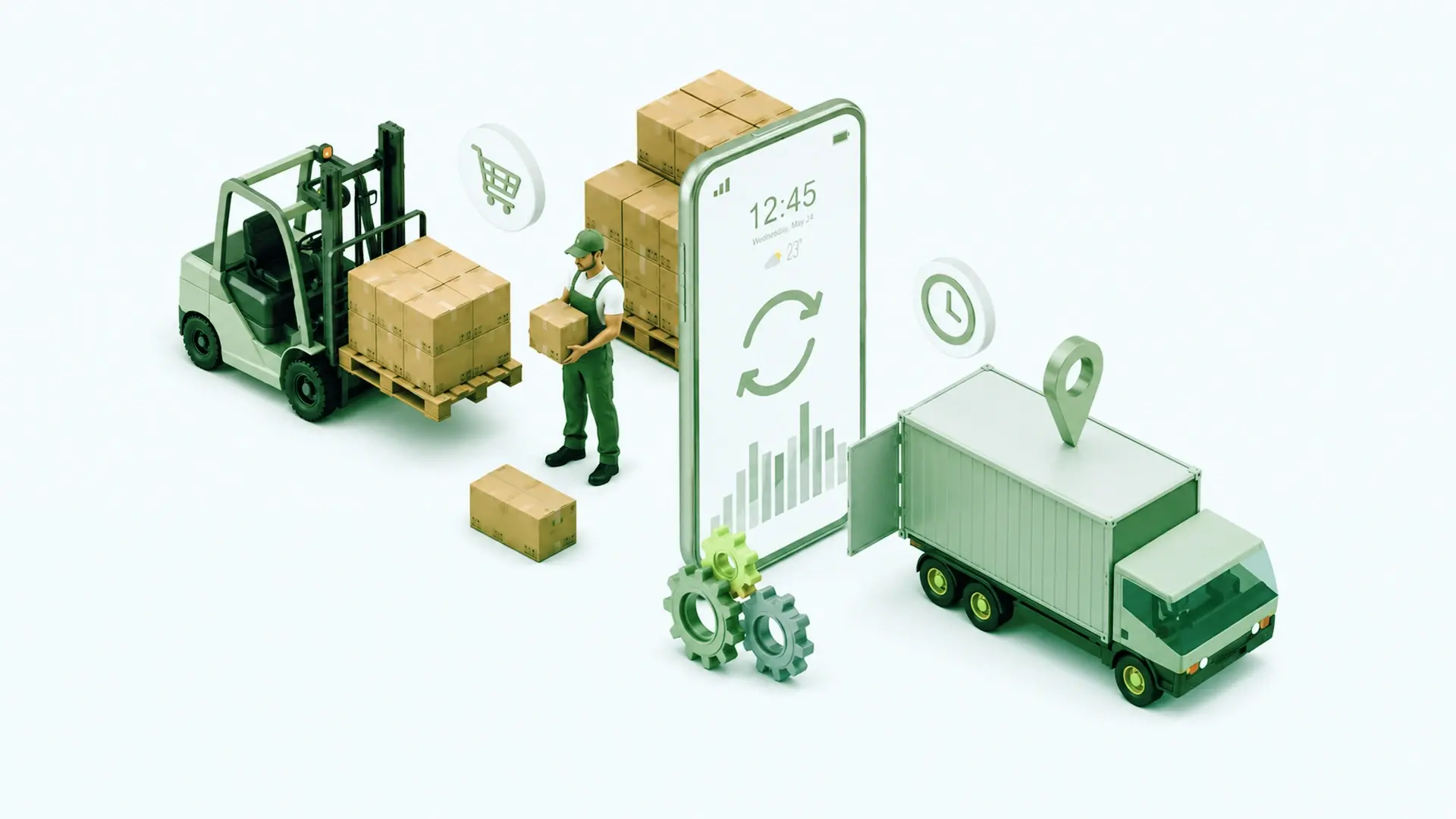
As a D2C brand grows, operations get more complex. A single order involves the storefront, warehouse, delivery partner and customer. Fynd brings everything together:
- OMS (Order Management System): All orders from every sales channel are managed in one place.
- WMS (Warehouse Management System): See inventory in real time, get restock alerts and use pick-pack-ship workflows, all within the platform.
- TMS (Transport Management System): Optimize delivery routes, assign riders and automate deliveries from start to finish.
Scaling a D2C brand often means changing business models over time.
For a brand on WooCommerce, building this kind of connected operations layer would require sourcing, integrating and paying for three separate platforms and a developer to hold them together.
Quick Commerce and B2B - when you're ready to expand
Scaling a D2C brand rarely means staying in one model forever. At some point, you might want to offer same-day delivery to local customers or start selling wholesale to retailers. Fynd is built for both
- Fynd Quick Commerce supports hyperlocal delivery, including zone-based routing, real-time rider tracking and fast order dispatch.
- Fynd B2B Commerce offers a separate storefront mode for wholesale sales. Both options are built into the platform. You do not need to switch products or migrate your business.
Fynd’s AI is integrated across more than just the website builder.
AI tools that go beyond the storefront
Fynd has built AI into more than just the website builder. Across the platform, there are tools that D2C brands can use to reduce manual effort and improve output quality:
- AI PIM an AI product description generator creates product titles, descriptions, and tags from images or simple inputs.
- AI Snap generates studio-quality product photography using AI models. No photoshoot needed.
- AI Studio creates ads, social content, and videos using your existing product assets.
- Kaily (AI Agent) automates customer support, sales queries and internal workflows using conversational AI.
These tools are not separate add-ons. They are woven into the platform and connected to your catalog, so the output is already relevant to your products.
The real question for D2C brands
It is not about which platform has the most features.
The question is, how much effort do you want to spend on managing your platform rather than creating your brand?
WooCommerce provides a framework and requires you to build everything on top of it. If you have the time and resources, that can be quite effective. It becomes heavier as you add more plugins, maintenance, and dependencies to maintain.
Fynd provides you with a strong foundation and most of the essential components already in place. The storefront, operations, logistics and AI tools are all built to work together from the start, so you do not need extra integration. For a D2C brand India aiming to grow quickly without constantly rebuilding its systems, this makes a real difference.
Frequently asked questions
Yes, Fynd supports catalog migration and the onboarding team provides support through the process.

No. Fynd works for brands at any stage, from early-stage D2C founders to large enterprises. The platform scales with you.
No, Fynd Storefront is fully no-code. For custom integrations or API-based development, Fynd also provides a developer toolkit.
That is fine. You can start with Fynd Storefront and add OMS, WMS, or other modules as your operations grow. You do not have to use everything at once.
Most brands can set up and launch a basic store within a few hours. More complex setups (custom integrations, large catalogs) typically take a few days.
Fynd is primarily built for the Indian market, but it does support international payment and shipping configurations.
Empower your business, every step of the way
More Blogs